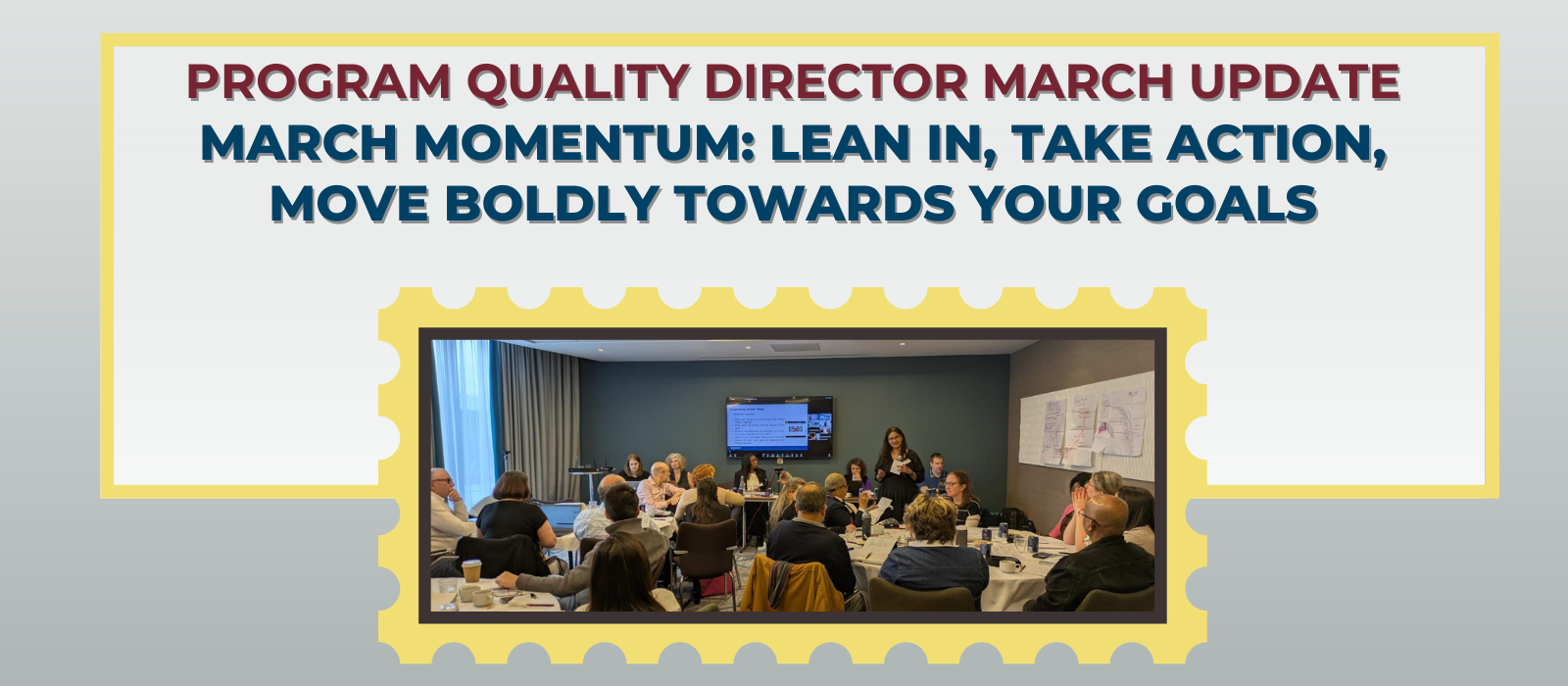
As we move into March, this is not a moment to pause, it’s time to step into full energy mode. This is where focus sharpens, momentum builds and we move with intent towards a strong finish in the last quarter of the Toastmasters year.
Your Progress Matters – Keep Moving Forward
Every speech, every role, every project, it all adds up. This journey isn’t about perfection, it’s about showing up and moving forward.
If you’ve completed a level and haven’t submitted it yet, this is your moment – complete it, celebrate it and let it count. Your progress fuels not just your own growth, but your club and our District’s success too.
If you’re feeling unsure about your next step, reach out to your mentor at the club or Mentor Buddy, your club officers or fellow members. You can also revisit the Distinguished Toastmaster drop-in session on our District YouTube channelherefor that extra push.
Keep going – every step forward matters.
Celebrating Excellence till date
✔ 361 Level 1 completions – Taking your first confident steps
✔ 210 Level 2 completions – Practicing and growing your voice
✔ 141 Level 3 completions – Challenging yourself with advanced projects
✔ 98 Level 4 completions – Leading with purpose and guiding others
✔ 54 Level 5 completions – Mastering communication and leadership excellence
✔ 27 Triple Crown Award Winners – Shining across 3 levels
✔ 9 Distinguished Toastmasters (DTMs) – Reaching the highest distinction in Toastmasters
Many congratulations, you inspire us all.
Special congratulations to our latest Distinguished Toastmasters (DTM)
Diane K Richardson, DTM – Thame Speakers on her second DTM
March Triple Crown Award Winners:
Lynne Gayer, DTM, our Club Growth Director,from Excalibur Speakers
Paula Marmolejo Morazo, IP5 – Canary Wharf Communicators
Strengthening Club Quality
Moments of Truth – Elevating the Member Experience
This is a great time for clubs to run the Moments of Truth module to evaluate what’s working well and where you can elevate the member experience. Small improvements here can create a big impact on engagement and retention.
Check In with your members
Take time to connect with members:
Where are they on their Pathways journey?
What support do they need?
What goals are they working towards?
A simple conversation can reignite motivation.
Learn from Feedback
If you notice members stepping away, consider a quick survey or an informal exit conversation. Their insights can help strengthen your club for the future.
Annual General Meeting at the Club– Inspiring Future Leaders
Running a Club AGM before elections is a powerful way to:
Share progress on your Club Success Plan
Celebrate achievements
Inspire the next set of leaders to step up
Focus on Renewals & Education
March is a critical time to focus on renewals and education awards.
We have six Division Contests coming up and this is where the energy truly comes alive. Come along. Support. Be inspired.
Watch your fellow Toastmasters step out of their comfort zones and bring their best to the stage. You might just find yourself thinking “that could be me next time”.
District Conference: Root to Rise (2 – 3 May 2026)
Our District Conference celebrates excellence and is one you don’t want to miss. This year it is at the De Vere Latimer Estate, Chesham on 2 – 3 May 2026with the
International Speech Contest Finals on 2 May Evaluation Speech Contest Finals on 3 May
This is your opportunity to connect with other toastmasters across the district, learn from excellent speakers and celebrate. The District Council Meeting will also take place on Saturday, 2 May.
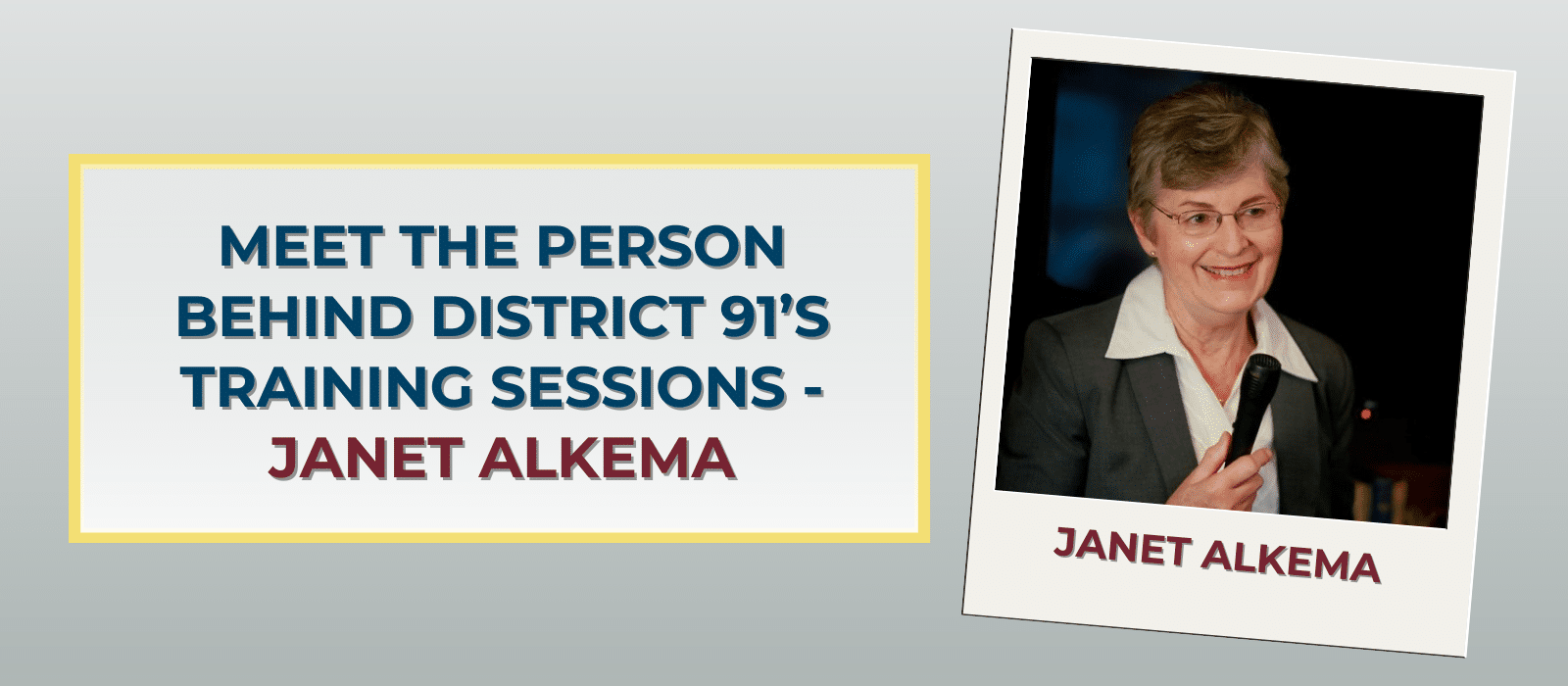
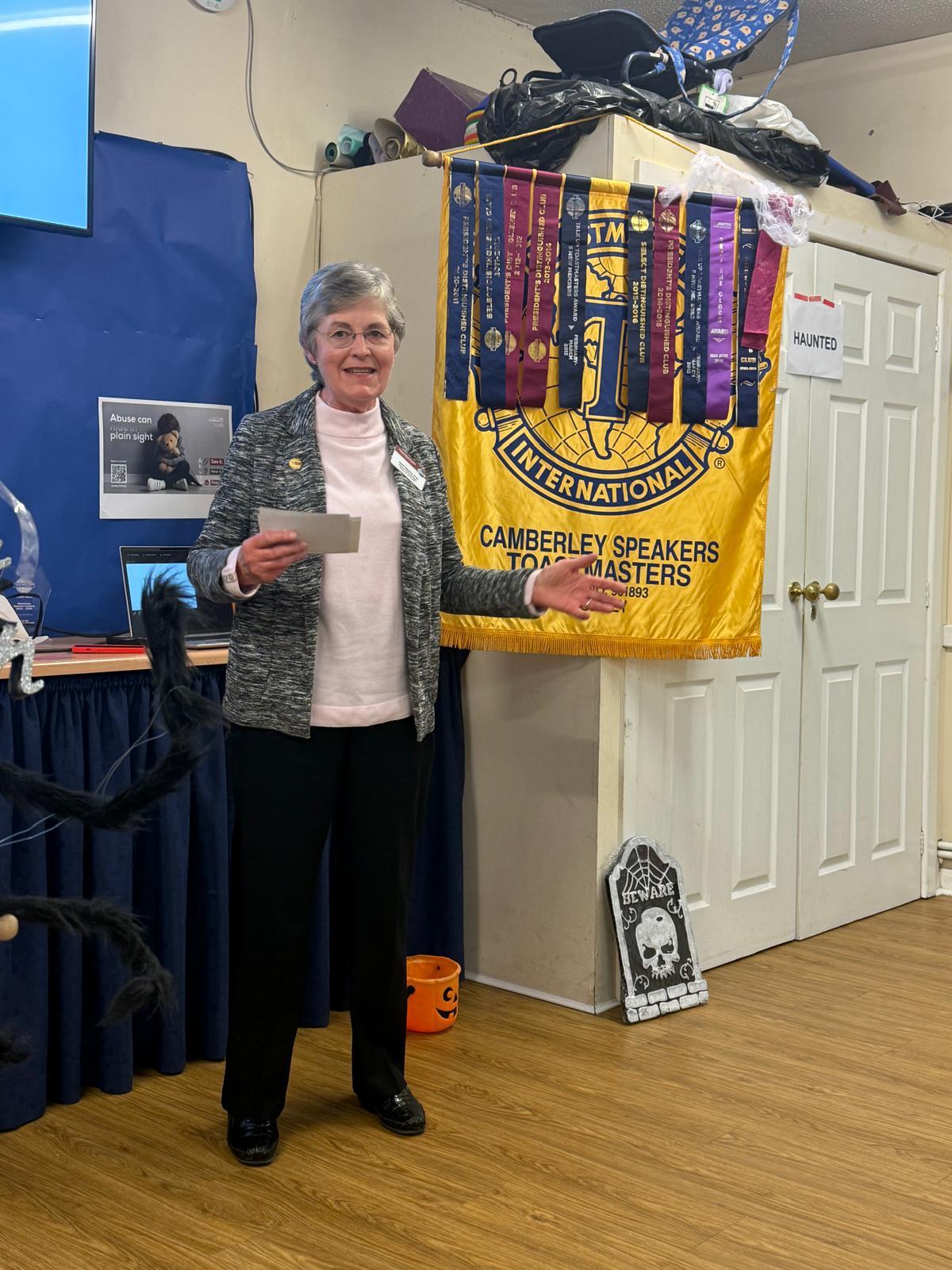
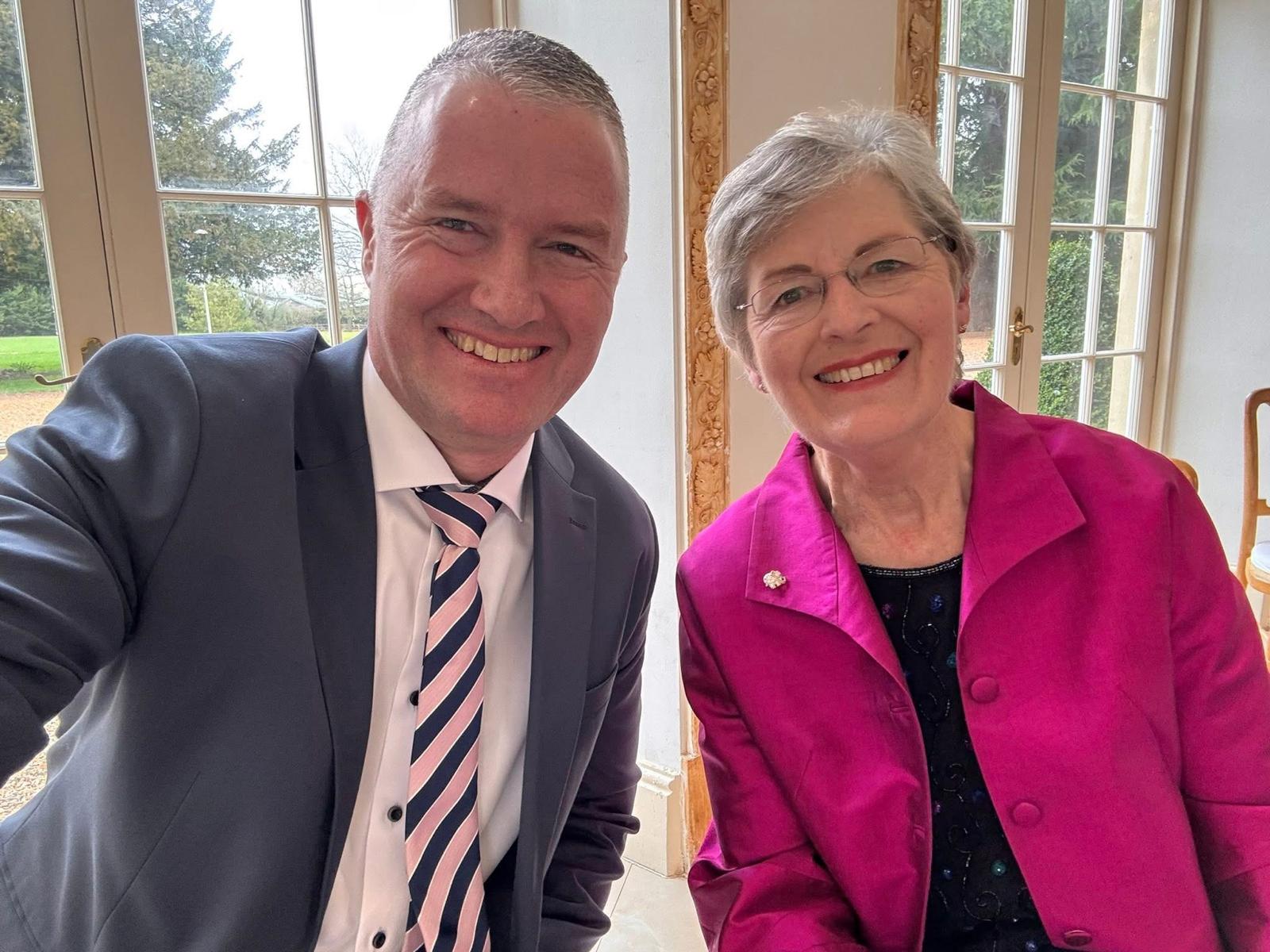
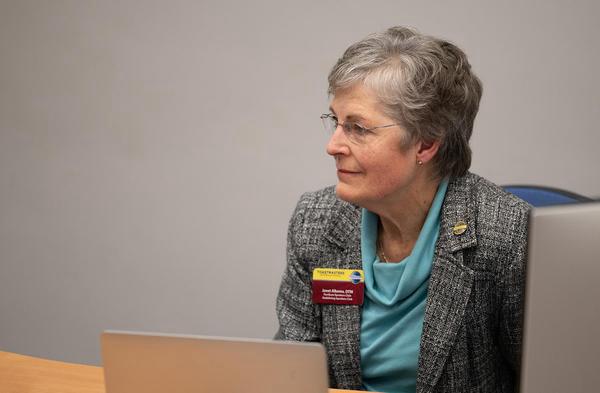
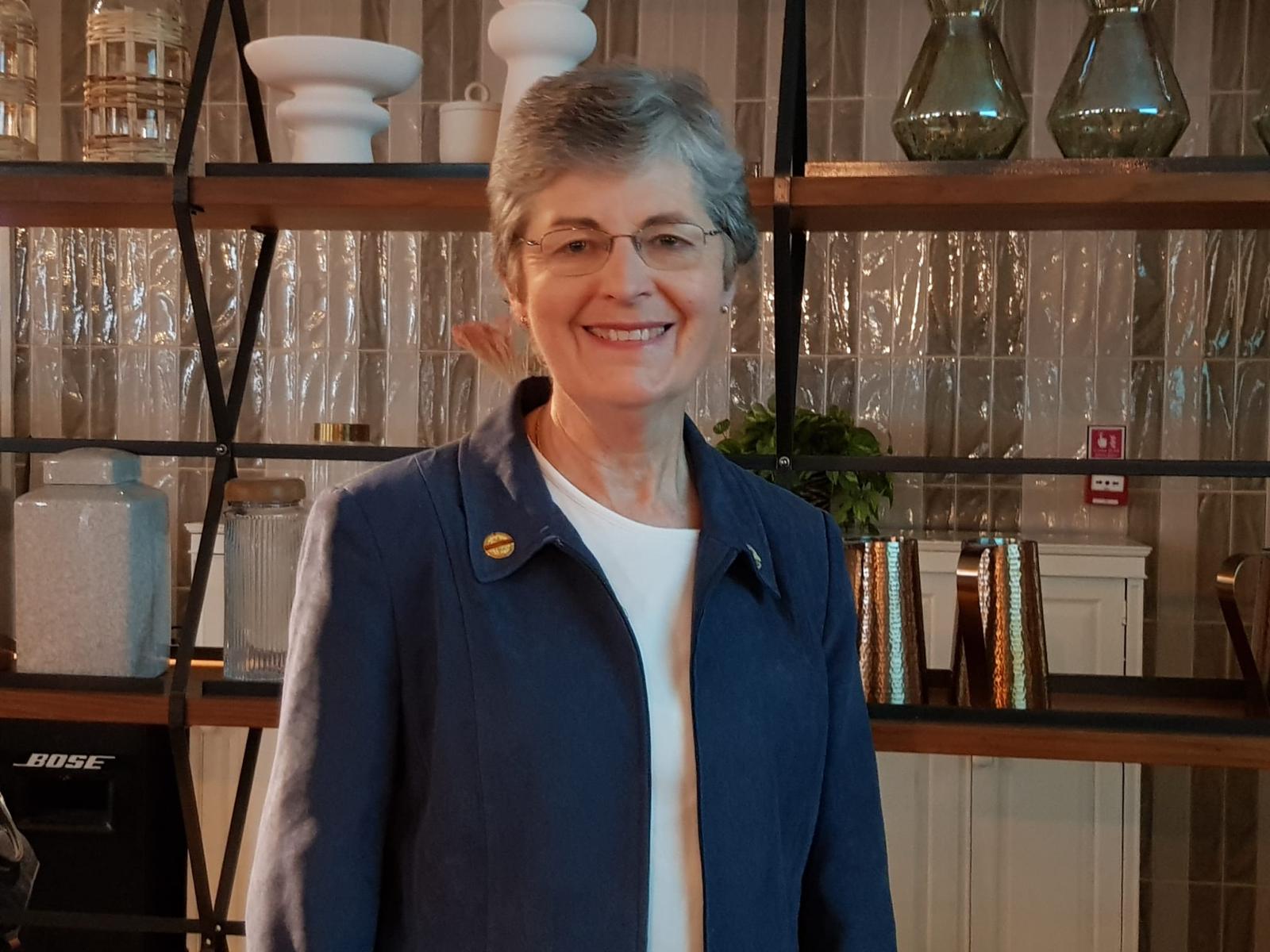
If you’ve attended a Drop-In session, watched a webinar recording, or benefited from Club Officer Training this year, chances are you’ve experienced the impact of Janet’s work, even if you didn’t realize it.
They say a Toastmaster wears many hats, and that is certainly true in Janet’s case.
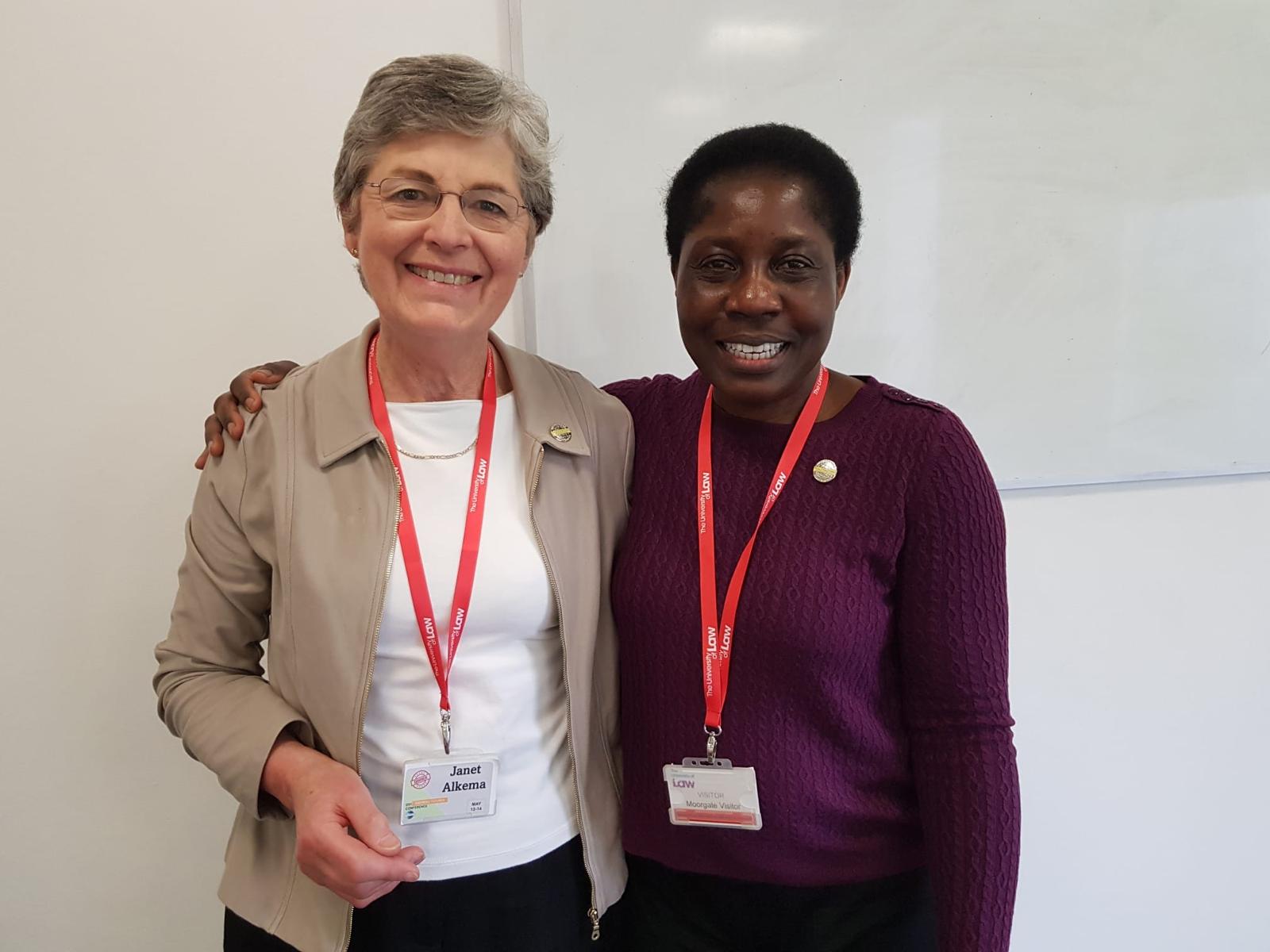
From joining Farnham Speakers in 2012, Janet quickly stepped into leadership, taking on the role of Vice President Education and continuing to serve in at least one leadership role every year since.
Over the years, her journey has included:
Two terms as Area Director
Two terms as Division Director
Club Mentor for Godalming Speakers
Achieving Distinguished Toastmaster (DTM) in 2020
After completing two years as District Administration Manager in 2025, Janet planned to take things a little easier.
That plan didn’t last long.
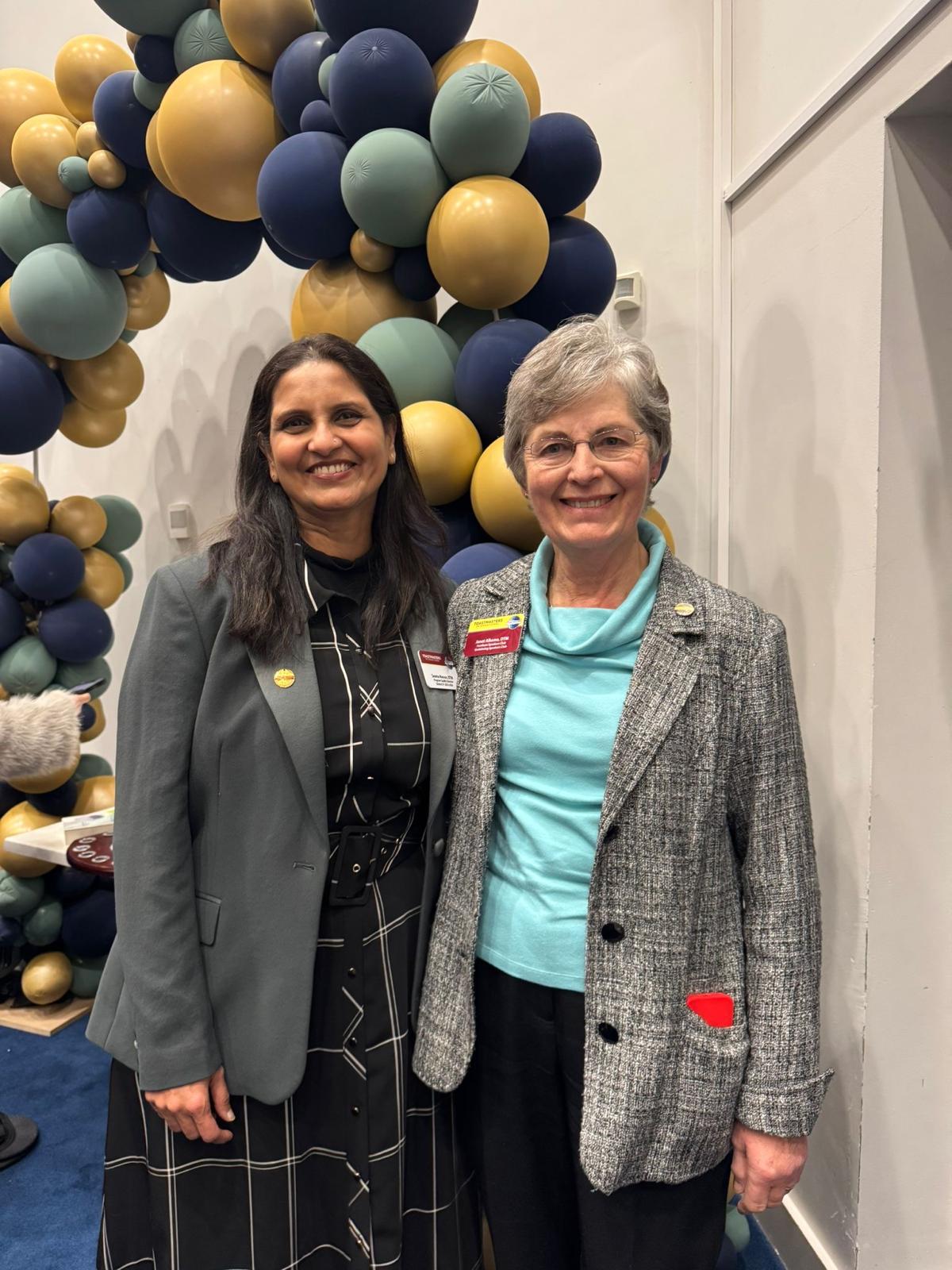
Following her appointment, Program Quality Director Seema invited Janet to take on the role of District 91 Training Lead, a role that has continued to evolve over time.
Working alongside a highly driven Program Quality team, Janet has been at the centre of several key initiatives aimed at improving education and training across the district.
One of the most visible and impactful initiatives this year has been the introduction of regular Drop-In sessions and webinars.
These sessions have given members:
An informal space to ask questions
Access to experienced Toastmasters
Practical, topic-focused learning
The results speak for themselves:
35 sessions delivered
Most sessions recorded and shared
Over 2,200 views on YouTube
For many members, these sessions have become a valuable and accessible way to learn and grow.
Janet has also played a key role in establishing the Trainers Bureau, a resource that connects clubs with experienced trainers for educational sessions and Club Officer Training.
District 91 also took part in beta testing new Club Officer Training material from Toastmasters International.
As Training Lead, Janet coordinated trainers across districts, including collaboration with District 74 (South Africa), helping to deliver sessions and gather feedback.
The result is improved training content that will benefit members across the district.
Another project close to Janet’s heart was improving the Club Officer Training reporting process.
Drawing on her experience as a Division Director, she understood how time-consuming the process could be.
Working with Rory Graves (ToastHost), Janet helped develop a COT management system designed to simplify reporting and reduce manual effort.
While there have been initial challenges, as with any new system, the long-term goal is clear: to make life easier for future leaders.
Beyond the visible initiatives, Janet has also supported the district in quieter but equally important ways.
From contributing to communications and supporting website updates to helping proofread district newsletters before publication, her attention to detail has consistently helped raise the quality of what members experience.
She also quickly developed her Canva skills and took ownership of designing the posters and visuals that accompanied many of the training sessions throughout the year, ensuring that each initiative was not only well delivered, but also clearly communicated and professionally presented.
For Janet, this year has been about more than just delivering projects.
It has been about:
Learning new skills
Working with dedicated team members
Supporting the growth of others
Above all, it has been about contributing to a district that continues to evolve and improve.
Janet’s contribution is a reminder that behind every initiative, every session, and every improvement, there are people working quietly to make it happen.
And in this case, it’s someone wearing many hats and making a real difference.
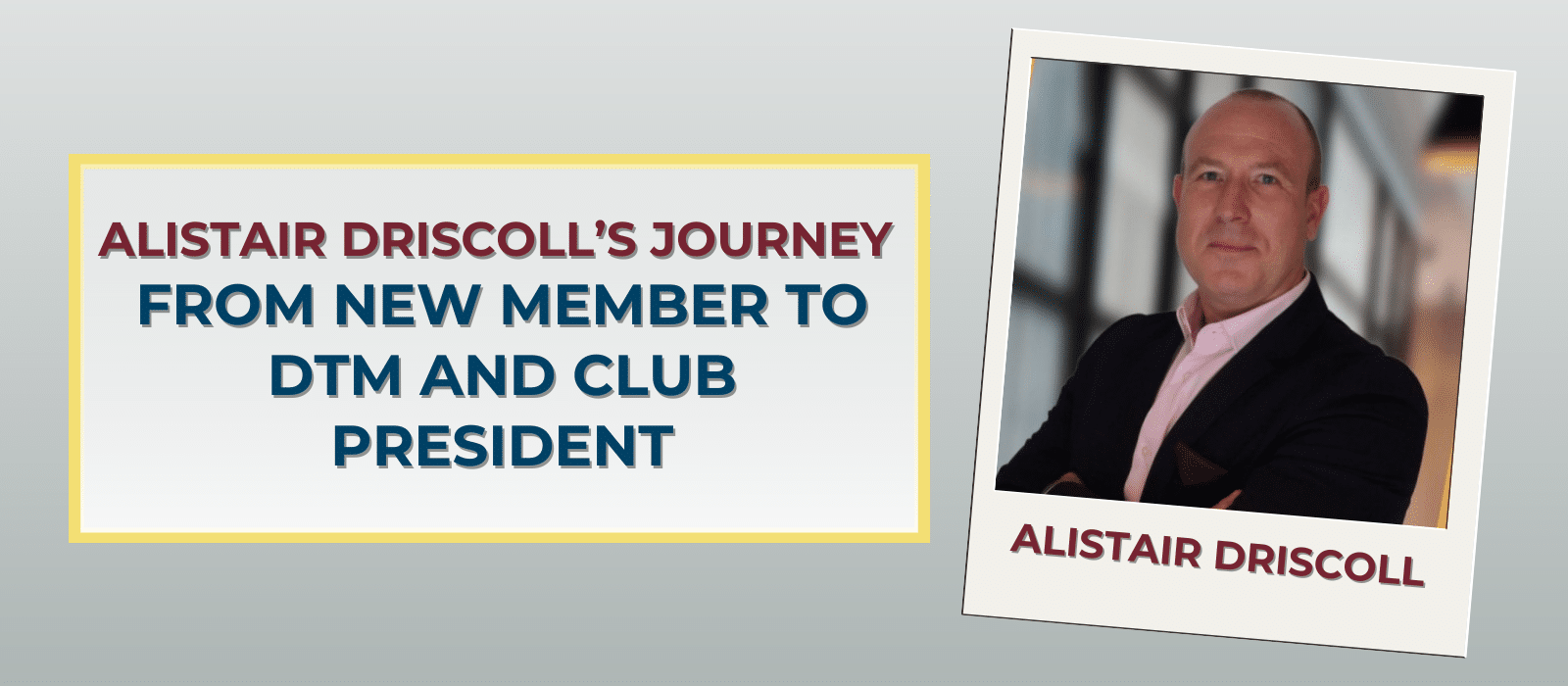
From having no public speaking experience to becoming a Distinguished Toastmaster and club president in just over six years, Alistair Driscoll’s journey is a powerful example of growth in action.
My Toastmasters journey began in October 2018 when I joined Voice of Wales in Usk as a brand-new member. I had no public speaking experience to speak of, but I knew that if I wanted to grow as a professional and as a leader, I needed to get comfortable being uncomfortable. What I did not expect was just how much Toastmasters would shape the direction of my life.
The Early Days at Voice of Wales
Voice of Wales gave me my foundation. I threw myself into every meeting role I could, learning the mechanics of structured speaking, impromptu Table Topics, and the art of giving and receiving evaluations. Within a year I had taken on the role of Vice President Education (July 2019 to June 2020), responsible for scheduling meetings and supporting fellow members through their Pathways projects. It was my first real taste of servant leadership, and I was hooked.
Stepping Up to Club President
In July 2020, I became President of Voice of Wales. This was right in the middle of the pandemic, so my entire presidential year was virtual. Rather than seeing that as a limitation, we embraced it. We focused on member engagement, educational quality, and building a supportive environment, even through a screen. By the end of the term, we had earned the President’s Distinguished Award, the highest club recognition Toastmasters International bestows. That achievement belongs to every member who showed up, contributed, and kept the club thriving during an incredibly challenging period.
Founding Toast Titans
The pandemic proved that online Toastmasters could work brilliantly. In 2024, I took that conviction a step further and co-founded Toast Titans, a corporate online Toastmasters club. I served as Corporate Club Sponsor from June to November 2024, handling the initial setup: recruiting our charter members, organising the first meetings, and guiding the club through the chartering process. From there, I moved into the role of Corporate Club Mentor (from January 2024), supporting club officers, maintaining meeting quality, and helping the club become self-sufficient. In July 2025, I became President of Toast Titans, a role I hold today. It has been enormously rewarding to build a club from scratch and watch members grow in confidence week after week.
Mentoring Beyond My Own Clubs
Alongside my work with Toast Titans, I have also served as Corporate Club Mentor for Tribal Masters Galway since January 2024. Mentoring another club in a different country has given me a broader perspective on what makes clubs succeed. The fundamentals are always the same: ongoing support, quality meetings, strong officer training, and a culture where people genuinely want to help each other improve.
Achieving the Distinguished Toastmaster Award
In December 2024, I was awarded the Distinguished Toastmaster (DTM) designation, the highest honour in Toastmasters International. Earning it requires completing advanced educational projects, serving in multiple leadership roles, and mentoring others. It took me just over six years from joining as a complete beginner, and it represents everything I value about this organisation: continuous learning, leadership through service, and the commitment to help others find their voice.
Three Things I Have Learned Along the Way
1. Start before you are ready. I joined Toastmasters with zero public speaking experience. Every role I took on felt like a stretch at the time. The growth happens in the stretch. If you are waiting until you feel ready, you will be waiting forever.
2. Leadership is service. The best club officers I have worked with are the ones who show up to make the meeting better for everyone else. Whether you are scheduling speakers, mentoring a new member, or simply giving a thoughtful evaluation, you are leading.
3. Build community deliberately. A club is only as strong as the connections between its members. Social moments, genuine encouragement, and celebrating each other’s progress are not extras. They are the foundation.
Looking Ahead
Toastmasters has given me skills I use every single day in my professional life as Global Sales Enablement Manager at HID Global, where I regularly present to stakeholders, coach sales teams, and design learning programmes. It has also given me friendships, a sense of purpose outside of work, and the confidence to put myself forward for things I once would have avoided.
If you are reading this and thinking about joining a club, getting more involved, or taking on a leadership role, my advice is simple: say yes now and figure out the rest as you go. That is exactly what I did in 2018, and it has been one of the best decisions of my life.
Alistair Driscoll, DTM
President, Toast Titans | Member, Voice of Wales
Firstly, well done. As at 17th March 80 clubs have renewed at least the minimum number of members to remain in good standing. Thank you to all those members. Everyone else, keep those renewals coming, make your treasurers job an easy one. Some of you may still be undecided, so remember why you joined, was it because of a promotion, to build confidence or to have the courage to speak up. You gain all this and so much more by being a Toastmaster. I know that by continuing to be a member you will develop and grow and achieve more than you ever thought possible. I know because it’s happened to me and I know it will happen to you too.
Congratulations to the following clubs for achieving the early renewal incentive award.
Canary Wharf Communicators
Thame Speakers
Gatwick Communicators
Tube Talk Toastmasters Club
GSK House Toastmasters
UK Speakers and Leaders Toastmasters
Hallmark Speakers
Witney Speakers Club
Northaven Speakers Toastmasters Club
Woodford Green Speakers
Northern Lights Speakers Club
Worthing Speakers
PMI UK Toastmasters Club
We continue to raise awareness for the Toastmasters brand within District 91, to connect with individuals who are not yet members and introduce them to Toastmasters. From 10th March to 6thApril we are doing another digital campaign, you may see our bright yellow poster pop up on online channels such as Zoopla. The International LinkedIn Campaign is now two months in and the District is performing better than projected. We have had almost 500 prospective members through find a club so far with one more month to go. So please do ensure your clubs ‘find a club’ details are up to date. (see below for details on how to do this).
We have renewals, we have enquiries, we have new members and there is still time for more. The ‘Talk up Toastmasters’ incentive of adding five new, dual or re-instated members, doesn’t end until 31st March. Share your stories and inspire your friends, family and colleagues to come along to your next meeting and help your club grow.
We are still looking to add new clubs to our Toastmasters family so read the article below from Lydia McDowell whose role is to research for new club leads. Please do see if you work in any of the organisations mentioned, we would love to hear from you.
Clubs already in our Toastmasters family celebrate their anniversaries.
Whether 1 or 25 years it is great achievement. Celebrate your success. It’s a fabulous way of bringing people together.
Congratulations go to: March – Based on the Official Charter Date
Club
Month
Years
Hallmark Speakers
March 2001
25
City Women Speakers
March 2006
20
Lloyds Banking Group Toastmasters
March 2016
10
VM02
March 2025
1
February to March has been a month of International supportfor District Club Growth as we enter the last few months of the Toastmaster year. Inspiring messages from International President, Aletta Rochat and motivational support from our International Director, Francesco Fadele and Regional Advisor, Lilian Shaftacola. See their thoughts and tips below.
Drop-ins
In case you missed it:-
Renewals with Kevin Harringtom
Your One Introduction Could Launch District 91’s Next Corporate Club
By Lydia McDowall, Club New Source Research Chair
At the start of this Toastmasters year, Lynne Gayer, our Club Growth Director, asked if I would support her by taking on the role of Club New Source Research Chair. It felt like something I could genuinely contribute to, so I was glad to say yes.
The purpose of this role is to work closely with the Club Growth Director to supportthe District’s marketing plan for establishing new clubs, with a particular focus thisyear on identifying opportunities for corporate clubs. These are Toastmasters clubsbased inside organisations that bring communication and leadership developmentdirectly into the workplace and benefit both employees and employers.
Think regular lunchtime or after work meetings where colleagues build confidence,practice presenting and develop leadership skills within their own organization.
What we discovered
My initial approach was to generate lists of the top 100 companies in the UK and tryto identify appropriate contacts within those organisations. However, finding the rightinternal contact without an existing connection quickly proved more challenging thanexpected.
So I shifted approach. Using global Toastmasters data covering more than 44,000clubs, past and present, I identified companies that host Toastmasters clubselsewhere in the world but do not yet have one in the UK. I then cross referencedtheir UK office locations to confirm they fall within District 91.
The result? A carefully researched shortlist of 63 companies that could be strong candidates for a future corporate club.
This is where we need your help.
If you work at one of the companies listed below, or know someone who does, asimple introduction could open the door to a conversation about bringingToastmasters into that organization. You don’t need to sell anything. Simply pointingus towards the right person to speak with, for example someone in Learning and Development, HR employee networks or even your boss, would be incredibly helpful. Even if you’re not sure who the right person is, just let us know you have a connection there and we can explore ittogether.
If you work somewhere that isn’t on the list but feel your organization could benefitfrom a Toastmasters club, or know someone at a company that might, we would loveto hear from you too.
Toastmasters grows through the connections we already have, and our Districtcommunity can play a direct role in launching the next corporate club. Even a smallnudge in the right direction could make a real difference.
If you think you may be able to help, please emailclub.growth.director@d91toastmasters.org.ukwith the company name and, if possible, the name or department of your internalcontact. These introductions directly support our District goal of establishing newclubs this year.
We’ll give a shout-out in the next District newsletter to every member who assists withthis initiative, because introductions like yours are often how new clubs begin.
One introduction could be the start of something big.
Take a moment to scan the list below. You might be surprised how many familiarorganisations appear.
AECOM
Honeywell
Novo Nordisk
Aon
HP UK Headquarters
Oracle
AT&T
HP London Office
P&G
BNP Paribas
IBM
PayPal
Bosch
Infosys
Pepsi Co
Capgemini
Kraft Foods
Philips
CBRE
Landmark
Prudential
CGI
Lenovo
Roche
Chubb
LinkedIn
Rockwell Automations
Cisco
Manulife
S&P Global
Cummins
Marriot
SABIC
DBS
Mattel
Salesforce
Dell
McDermott
Samsung
Docusign
Mercedes Benz
Schnieder
Ericsson
Merck
Shell
Fluor
Mizuho
Siemens
Genetec UK
Morgan Stanley
Standard Chartered Bank
GM London
Morning Star
TCS Tata Consultancy Service
Hatch Consulting
Motorola
Teradata
HDR
Nokia
UNICEF
Holiday Inn
Novarartis
Walmart
How to update club details (for those prospects looking to ‘Find a Club‘)
The club officers, specifically the Club President, Vice President Membership, and Secretary, are the individuals who can access and update the club’s contact email address listed in Club Central on the Toastmasters International website. When a prospective member uses the “Find a Club” page to message a club, an automated email is sent to these three officers.
The club itself decides which email address to use for general inquiries, and officers can set this information in Club Central.
Access Club Central: Navigate to Leadership Central and click on “Club Central”.
Edit Info: Select “Club Contact and Meeting Information” to find the contact email field.
Update & Save: Enter the new email and click “Save” at the bottom.
Note: Please allow up to 24 hours for the update to appear on the website.
Thoughts and Tops Tips from our International Leaders
The value of Talk up Toastmasters by Aletta Rochat (International President)
Imagine how more vibrant your club meetings would be with five or more new members.
Invite, invite, invite, anyone and everyone to come to your next meeting
Ask them to join
Five steps to grow by Francesco Fadele (International Director)
Make it easy for prospects to find your club e.g. have a website
Always greet your guests as the first five minutes decides everything
Help guests understand what is going on
Invite guests to join
Follow up with guests within 24 hours
A new club provides benefits to everyone by Lilian Shaftacola (Region 10 Advisor)
More people have the opportunity to start their Toastmasters journey and develop themselves.
The benefits to existing Toastmasters is that when we grow and bring more people into the organization that opens the door for more quality events such as training and contests.
We support Toastmasters itself as we help to strengthen the brand
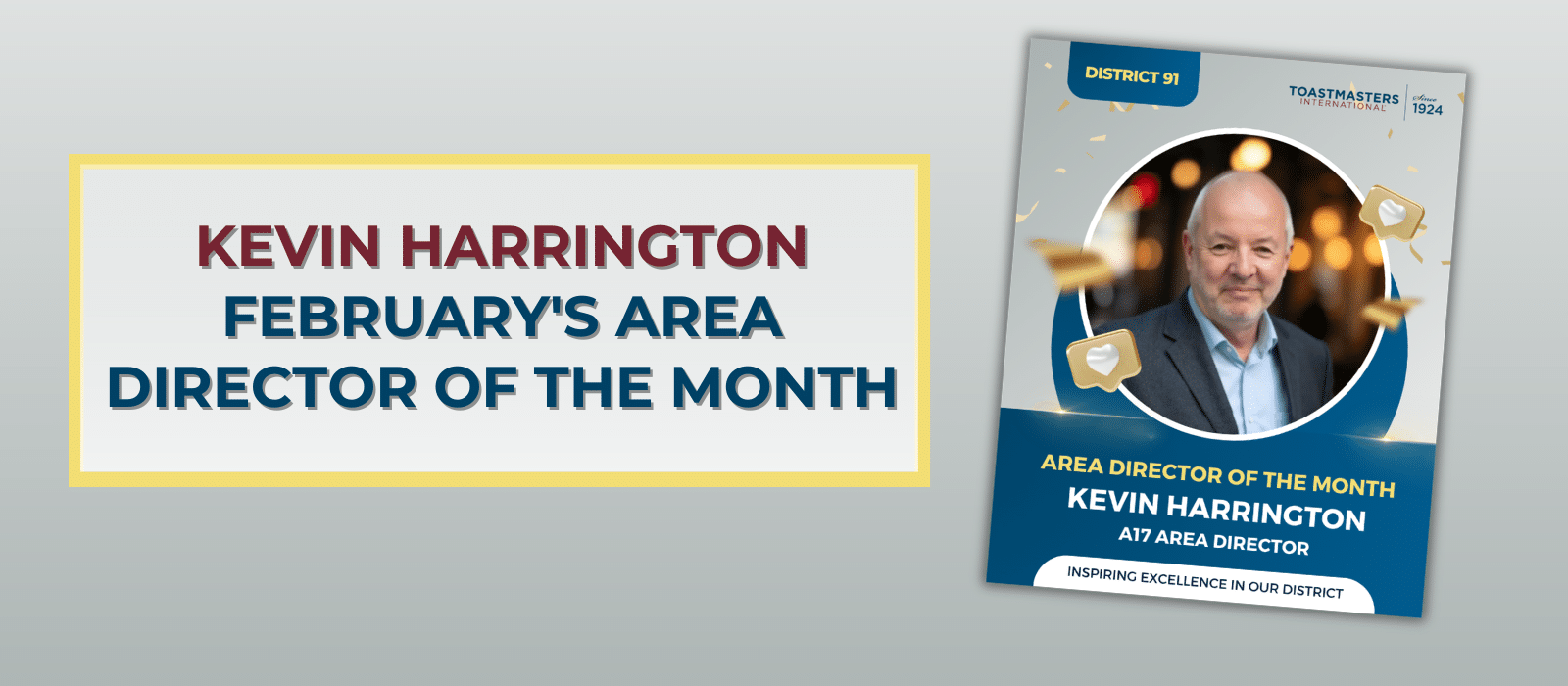
Kevin Harrington has been recognized as Area Director of the Month, not just for delivering results, but for how he supports members, strengthens clubs, and promotes Toastmasters beyond the organization.
Kevin’s impact spans across multiple areas of district growth and member development:
Delivering practical workshops and drop-in sessions to support clubs
Mentoring members to achieve success, including a District contest winner
Promoting Toastmasters externally through media coverage
Driving strong educational progress across clubs
Supporting clubs that are rebuilding and growing
Together, these efforts reflect leadership that goes beyond responsibility and focuses on real impact.
What Does an Area Director Do?
For those new to Toastmasters, Kevin explains it simply:
“Think of an Area Director as a coach and coordinator for several clubs.”
Someone who supports club leaders, strengthens meetings, and connects clubs to the wider organization.
It Started with a Simple “Yes”
Kevin’s journey into the role was not a carefully mapped plan:
“Kevin, you’d be really good at this. It won’t take much time.”
His response?
“Saying yes too often gets me into all sorts of trouble.”
But that one decision led to meaningful impact across his area.
A Leadership Approach Built on One Principle
Kevin brings a clear philosophy to everything he does:
Focus on the member.
As a marketer by profession, his thinking is simple:
Keep it practical
Keep it relevant
Put the member first
“Toastmasters is defined by its members.”
From workshops to training sessions, his goal has always been the same: help members today while building stronger clubs for tomorrow.
Thinking Beyond the Next Meeting
One of Kevin’s key strengths is long-term thinking.
Rather than focusing only on immediate outcomes, he challenges clubs to think ahead. What we do today should strengthen the club next year, not just this month.
This mindset has helped create more sustainable growth across his area.
Turning Success into Stories
One of Kevin’s standout contributions has been mentoring a member who went on to win a District contest and then taking that success beyond the club.
As he puts it:
“Toastmasters is a mystery to most people.”
The structure is strong. The learning is powerful. But what truly connects with people are stories.
By sharing real success stories, Kevin has helped bring Toastmasters to a wider audience and inspire others to get involved.
So how do you get a Toastmasters story into the media?
Kevin shares a simple but effective approach:
“Local papers have very few staff, but they still need content. The key is to write in the style they need so they can copy and paste.”
Here are his practical tips:
Write like a journalist Headline: four words Subheading: ten words First paragraph: summarise the full story
Focus on human stories Achievement, effort, struggle, and success
Avoid generic updates Instead, tell stories people care about
Match the publication style Study the paper and align with its tone and length
Use strong images Avoid plain headshots and use action-based visuals
Make it easy for editors Proofread carefully, get a second review, and send it ready to publish
“It’s about thinking like the editor, understanding your audience and their language.”
Supporting Clubs That Are Growing
Kevin’s leadership also shows in how he supports clubs that are rebuilding.
His approach is simple:
“Give them time. Give them recognition.”
Not pressure. Because growth is something you support, not force.
Leadership Advice: Just Say Yes
For those considering stepping into leadership roles, Kevin’s advice is clear:
“Just say yes.”
Even while launching a new business, he continues to contribute as an Area Director.
His belief is that leadership is flexible, you do not need perfect conditions, and impact comes from action.
“In a small but important way, being an Area Director gives you the opportunity to help members achieve their ambitions.”
Final Thought
Kevin’s journey shows that leadership does not start with a perfect plan.
It starts with a decision.
Say yes. Take action. Create impact.
Congratulations to Kevin Harrington A well-deserved recognition for his leadership, initiative, and contribution to District 91.