West London Speakers: 20 Glorious Years of Friendship, Fun & Education

Monday 7th September 2026 was an incredibly special evening for West London Speakers. We were celebrating our 20th birthday in a beautiful meeting room in Hammersmith, London.

Twenty glorious years of public speaking; twenty glorious years of warmth and friendship; twenty glorious years of learning and being educated in what I believe is an absolutely fantastic art form.

I was one of the co-founders of the Club in 2006, so this was always going to be a very special and emotional occasion for me; West London Speakers is my home club. I have been part of it from the very beginning, and to see the Club celebrate its 20th anniversary was a moment of immense pride for me.

I must admit that I was also mildly bemused by the word birthday. Not so long ago, I would have called it an anniversary. But perhaps birthday is the better word. After all, reaching 20 is something to celebrate!

And perhaps the club’s greatest achievement is not simply reaching 20 years but reaching 20 years successfully. My AI research suggests that the average lifespan of a Toastmasters club is around 9.3 years, so surviving and thriving for two decades is quite an achievement.

A room full of people
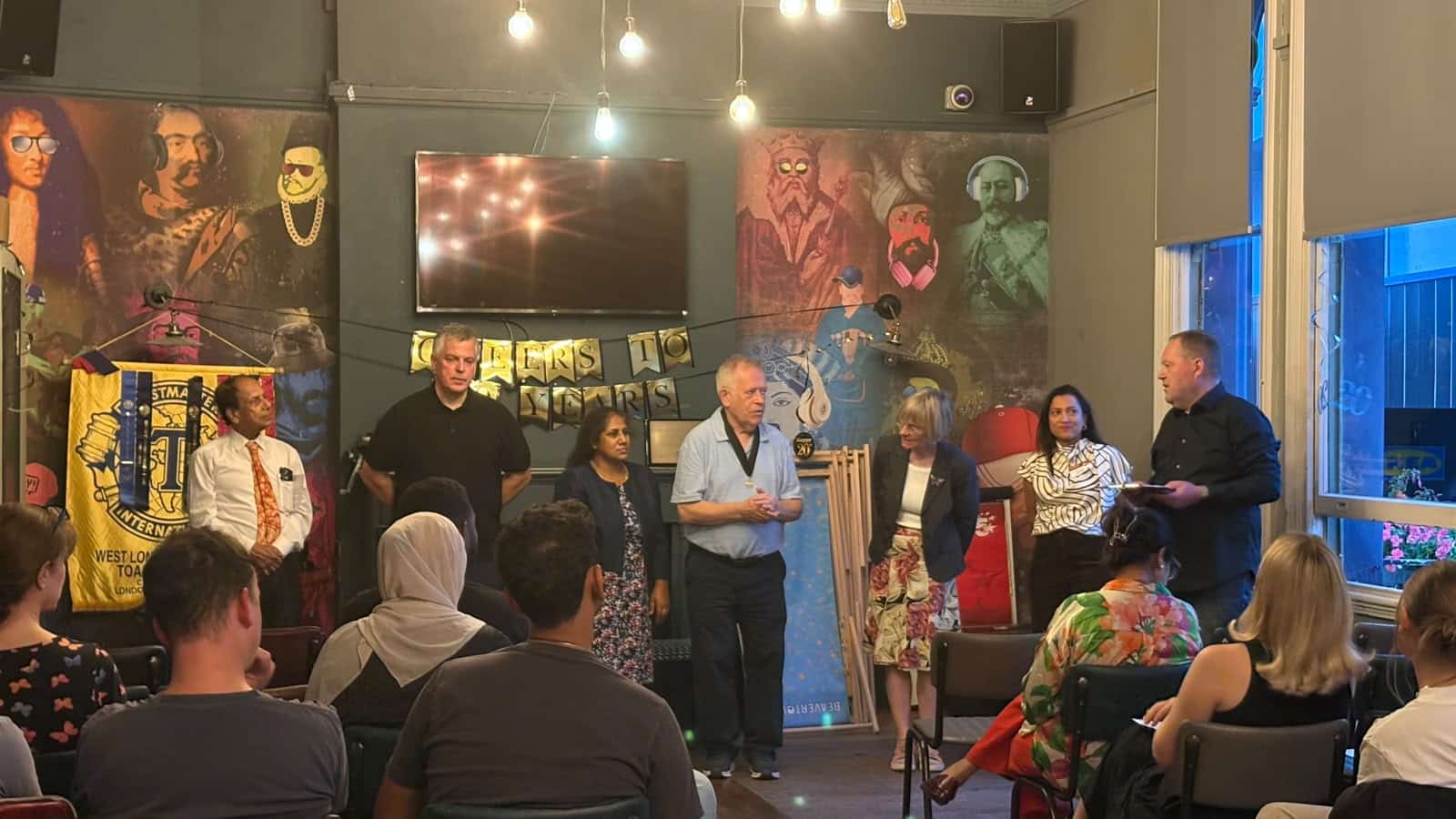
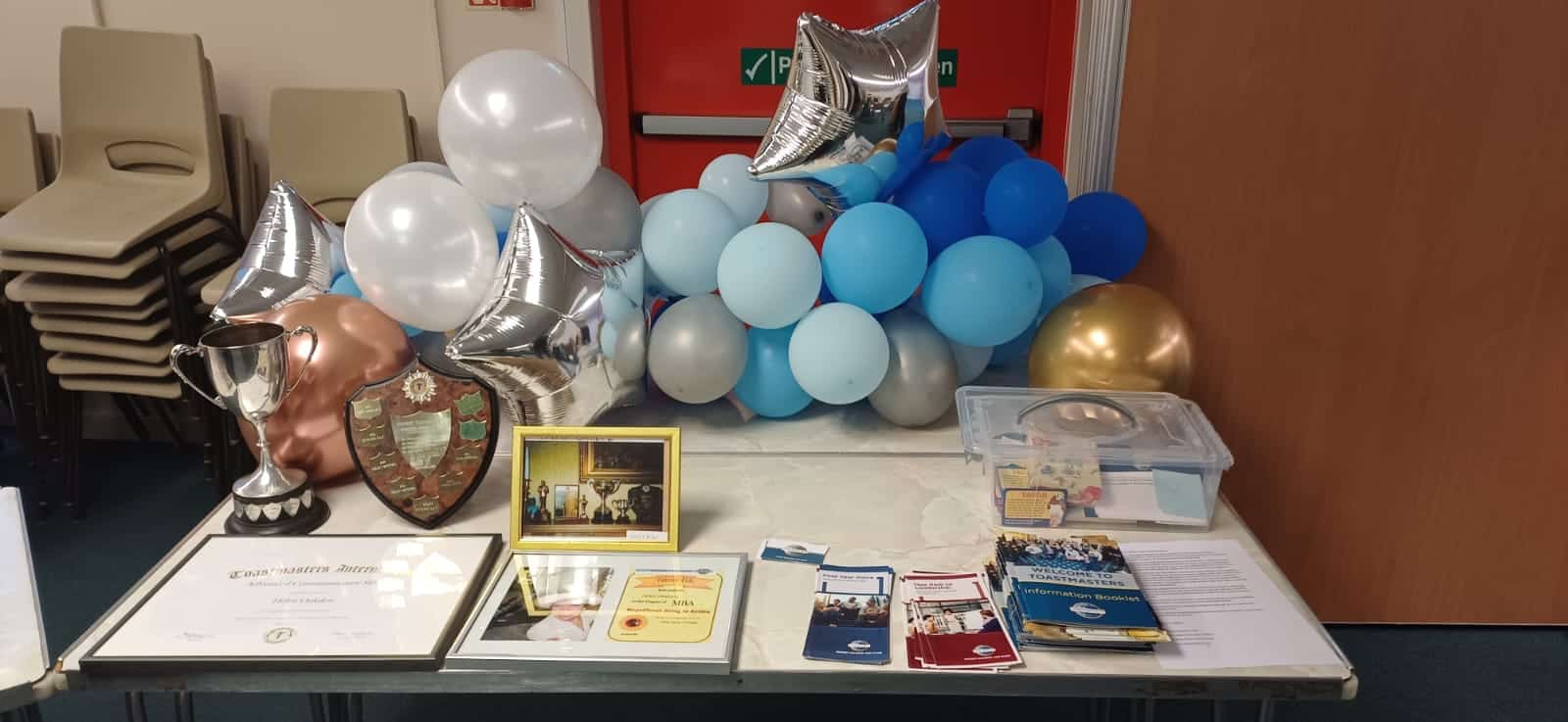
The room certainly looked the part. There were decorations, a lovely birthday banner and, of course, our club banner, proudly displaying its collection of ribbons and awards.

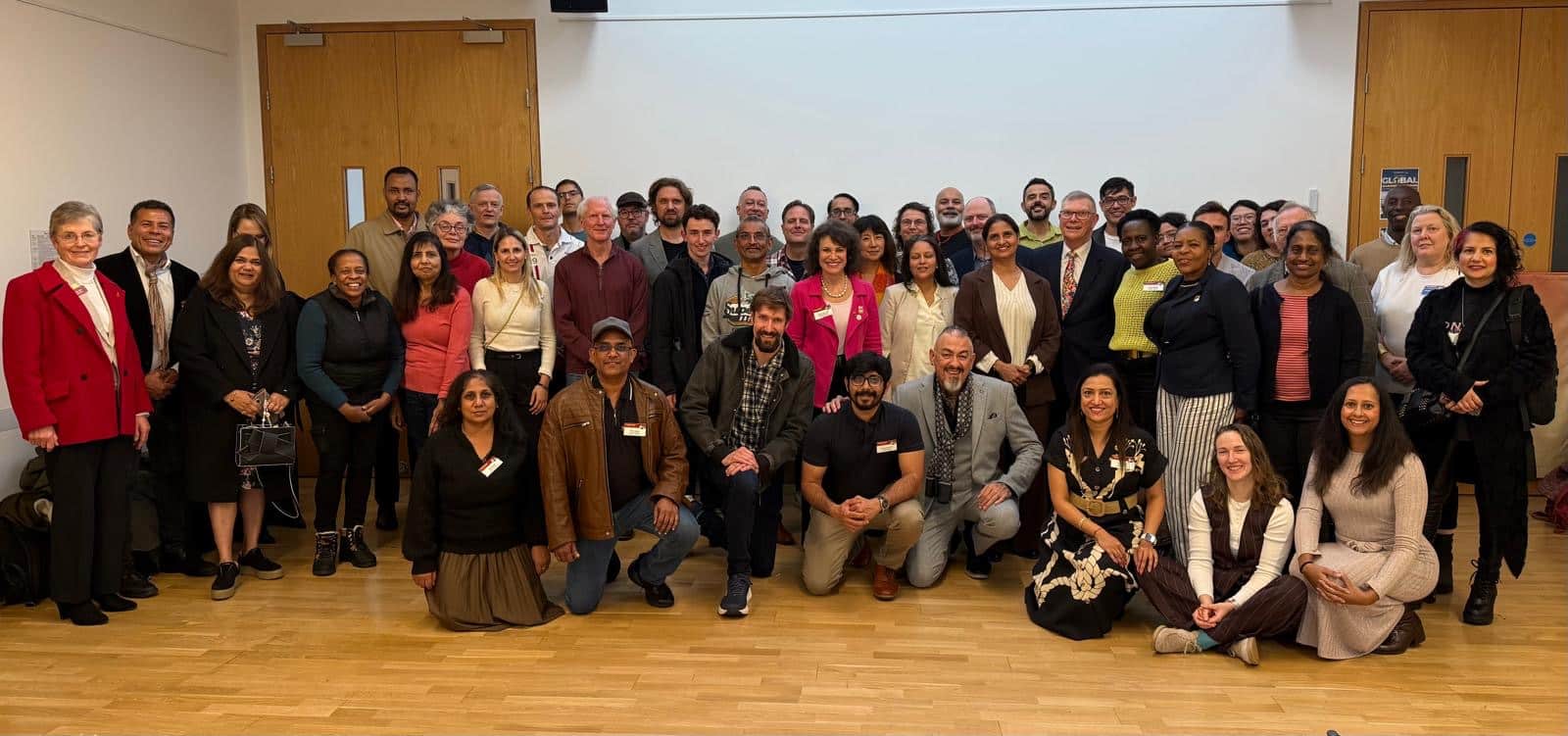
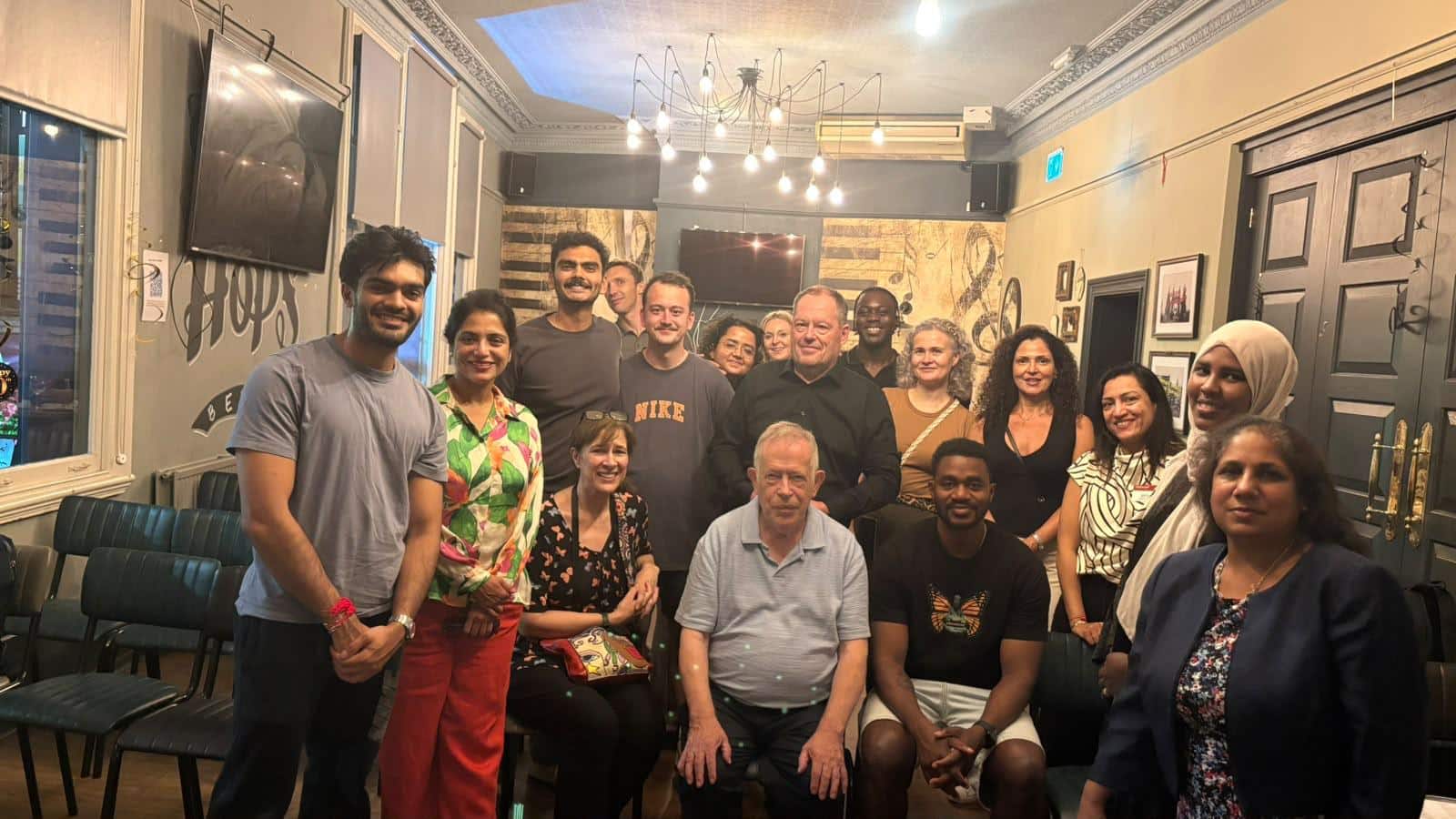
Around 30 people joined us for the celebration, including three founder members, a former President, another exceptionally talented former member, a few guests, the Division Governor and, of course, our current members. It was a wonderful gathering that brought together people from various stages of the club’s 20-year journey.

For me, there is a quite simple test of whether a club is healthy and thriving: people come into a room and at once start looking for somewhere to sit. That happened on our birthday evening, which was a particularly good sign!

The stage was set for a wonderful evening.

As is traditional at Toastmasters celebrations, we had a small number of speeches — four, in fact — followed by a 2026-themed Table Topics session. Then came the important business of food, drink and plenty of opportunity to catch up with one another.

How it all began

The first speech came from one of our founder members, who took us back to the formation and early years of West London Speakers.

The official explanation for the club being formed was essentially that there were not enough speech slots in another club. I would probably describe it rather differently in that there were a number of disaffected people from the previous club!

Whatever the reason, the result was the same.

Our first pre-charter meeting took place on 24 April 2006. By the middle of August, we had reached the required 20 members, and on 1 September 2006 West London Speakers was officially chartered.

If memory serves correctly, we broke world records at the time by becoming the first club to charter in such a short period.

These were quite unconventional times. There were no online resources as we know them today, no WhatsApp and no social media. In fact, these were the BC days — Before Cellphones and Before Contact Lists.

Communication meant email and, quite literally, picking up the telephone and speaking to people.

I remember my own experience as VPE in those early days. On a Saturday morning, I would phone people and desperately plead with them to fill the next three speaking slots. It was a very personalised and targeted approach.

Often, people would say, “No one ever phones me!” — and before long, we would find ourselves launching into a half-hour conversation. The reader will be relieved to hear that this tactic worked.

We realised very early on that simply running meetings was not enough. If people were going to keep coming back, we needed to create a real sense of community and belonging. We had to give people reasons to stay — and, ideally, reasons to look forward to the next meeting.

So, we organised memorable parties with copious amounts of delicious freshly cooked food, Indian classical dancing and even a firework display; extravagant Christmas parties; and an extremely animated debating evening, which we called the Socrates Cup. It all helped.

Keeping the club going

The second speech was given by our current President, who joined the club in 2018— a particularly important moment in Toastmasters history.

That was the year the education programme we use today was launched. It was also just a little before the Covid era changed the way clubs everywhere operated.

We are hugely grateful to this President for keeping West London Speakers going during Covid. He gave generously of his time, hosting online meetings for a lengthy period. He made sure the club continued to meet and remained connected. At a time when meeting in person was impossible, his commitment was invaluable. We are truly indebted to him for helping the club through such a difficult period. Remarkably, our membership numbers did not diminish or suffer during that difficult period.

Twenty years of learning to speak
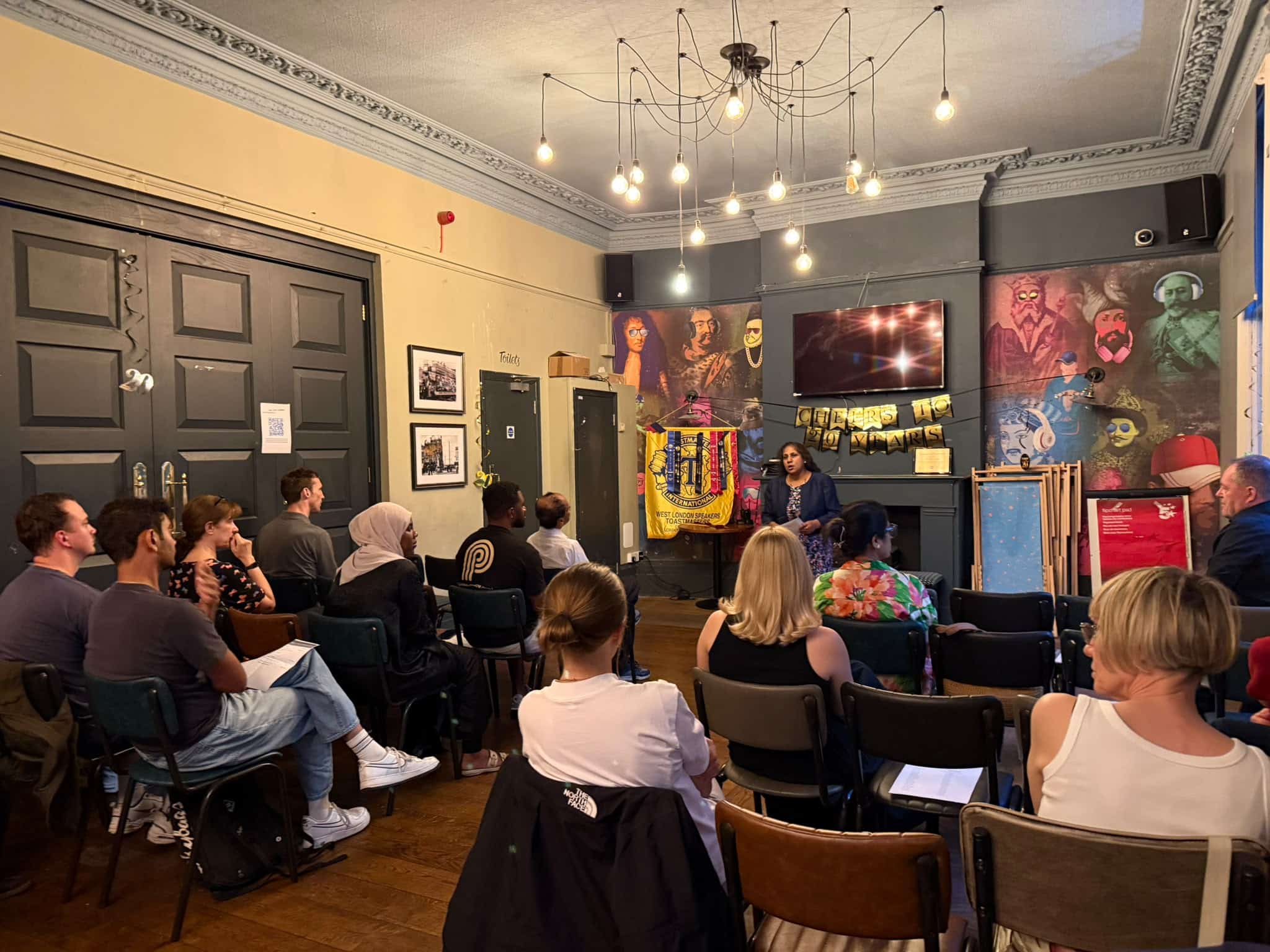
The third speech was given by another founder member — me!

My contribution was really a reflection on what those 20 years represent. Twenty years of speeches, stories, laughter, nerves, triumphs and learning — but, above all, twenty years of people finding the courage to stand up and speak.

But I wanted to look further than those 20 years.

The ancient Greeks, centuries in times BC, understood the extraordinary power of speech. Public speaking could influence democracy, win legal arguments, inspire minds and challenge set up thinking.  Figures like Socrates, one of the founding fathers of Western philosophy, epitomised this power, using relentless public questioning in the heart of Athens to challenge traditional beliefs and provoke deep self-examination among his fellow citizens. Public speaking was also recognised as a highly esteemed art form, on a par with music, drama and dance. 

At roughly the same time, in ancient India, the remarkable debater Gargi was fearlessly challenging some of the greatest sages of her day.

Across these ancient civilisations, schools of oratory and debate developed. More than 2,000 years ago, public speaking was already regarded as a serious and highly valued skill.

And yet, later, the schools of oratory and debate largely disappeared for many centuries.

It was revived in a major way in 1920s’ America through two very different pioneers: Dale Carnegie, who developed a commercial business around communication and Ralph Smedley, who created the not-for-profit organisation we know as Toastmasters.

In 1924, Smedley held the first Toastmasters meeting in the basement of a YMCA. His philosophy was beautifully simple:

“We learn to speak by speaking.”

For the first 15 years there was no formal Toastmasters curriculum. Smedley encouraged members to choose subjects that genuinely interested them — an early recognition of the importance of personal choice and autonomy.

Then came the first structured programme in 1942: the Basic Training Manual, containing 12 progressive speech assignments. Members learned how to introduce themselves, organise and structure a speech, use vocal variety and even read from a manuscript.

The timing was significant. The Second World War created an enormous need for communication that was direct, concise and authoritative.

By 1969, another major transformation had taken place. Toastmasters explicitly connected public speaking with leadership and professional management through its Communication and Leadership Program.

The influence of the corporate world was becoming increasingly apparent. Effective leaders needed to communicate effectively.

Members worked through ten assignments towards the Competent Communicator award.

By the early 2000s, Toastmasters had separate communication and leadership tracks, alongside specialist manuals covering areas such as storytelling and humour.

Then, in 2018, came another major transformation: Pathways replaced the traditional ten-speech structure with a much more flexible and career-focused approach, designed to connect communication and leadership skills with real-world professional and personal life.

So public speaking education has never really stood still. It has continually changed to meet the needs of each generation.

There is also a slightly amusing way of looking at that history: follow the money.

Carnegie demonstrated the commercial value of communication. The Second World War created a demand for concise and authoritative speaking. Corporate America highlighted the importance of communication for leadership. And today we have a much more career-focused approach.

Yet beneath all those changes, the fundamental principle has remained exactly the same:

We learn to speak by speaking.

And that is ultimately what our 20th birthday was celebrating — not simply the history of a club, but all the people who have walked through our doors, stood behind the lectern, encouraged one another, and gradually found their voices.

We can be proud of our past, excited about our future and confident that there are many more speeches, stories, friendships and memorable moments still to come.

It does make you wonder: what will Toastmasters look like in another ten, twenty, a hundred years’ time?

Whatever changes, I hope the spirit of learning, courage, friendship and fun remains.

And, as Shakespeare reminds us:

“Above All, To Thine Own Self Be True.”

Here’s to the next 20 years of West London Speakers!

A successful recruit
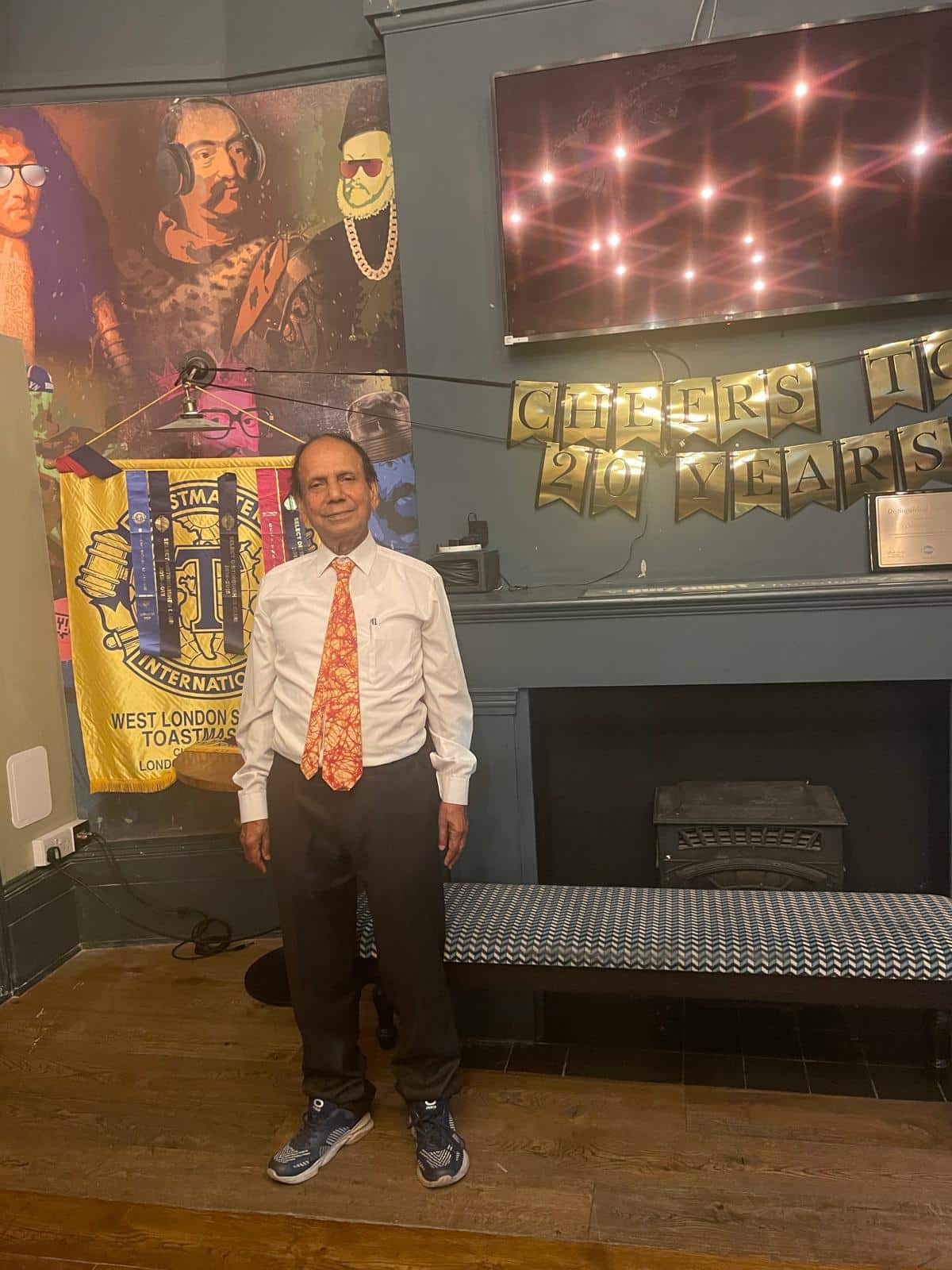
The fourth speech came from another founder member — my dad.

He joined after a little persuasion from me, and he modestly described himself as one of the club’s “more successful recruits!”

His reflection was a rather more serious one. Joining Toastmasters gave him the opportunity to return to Shakespeare, particularly to that famous speech in Hamlet about how we should speak — the speech that begins, “Speak the speech, I pray you…”, and which is still recited daily by Shakespearean actors today. Shakespeare, of course, is regarded as one of the greatest speechwriters not only of the English language but also of all time.

What began as a gentle piece of family persuasion became, for him, a lasting commitment and a source of great joy.

Over time, he also became increasingly conscious of the way great speeches can shape and preserve history — from Plato, Marcus Cicero, Julius Caesar and Seneca the Younger to Churchill, Gandhi, Nelson Mandela and many others.

His fatherly, kindly message to the younger members was simple: read and study some of these great speeches from time to time. Listen to how they are delivered.

In doing so, perhaps you gain what he called a “cosmic view of the spoken language” — and, beyond that, a cosmic view of the world.

A 2006 styled Table Topics

After the speeches came a very appropriate 2006-styled Table Topics session, with all the questions and answers being excellent.

A couple of contributions particularly stayed with me.

One guest, a former President, was asked what she had learned from Toastmasters. Her answer was about taking what she had learned in Toastmasters and using it in the wider world.

She has certainly done that.

Having learnt to become a formidable speaker, this former President has set up an autism café where people meet once a month to read, draw, paint and talk to one another. This cafe has now been running successfully for a number of years.

There was another lovely coincidence. The autism café was using the very same venue immediately after us on the very same day, where I had recently organised Club Officer Training (COT).

And I had no idea who the leader of that group was.

It really is a small world.

That, for me, is another of the great things about Toastmasters. What we learn in the club does not have to remain within the club. It can be taken outside and used to do something positive and selfless for other people.  That is an added bonus.

And finally… the food!
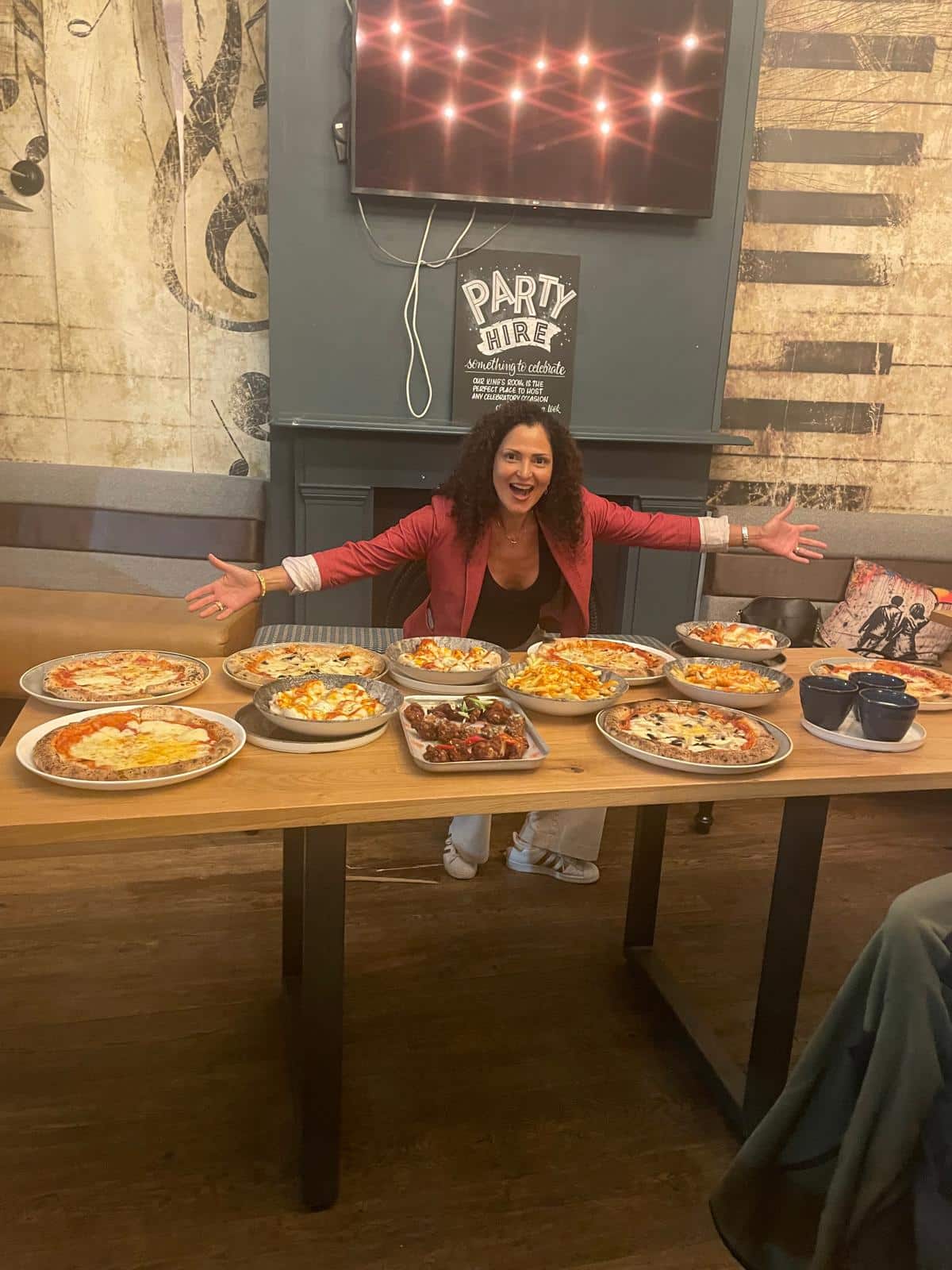
No birthday celebration would have been complete without food, and West London Speakers has always been a great believer in generous, warm and inviting hospitality.

We had hot, delicious food: pizzas, cheese and tomato dough balls, chips and chocolates, all generously provided by the club.

If anyone would like to know more about us, then please visit:

West London Speakers website

West London Speakers on LinkedIn

And finally, from someone who has been part of the journey from the beginning:

Here’s to the next 100 years of West London Speakers and Toastmasters!

 

70 Years of Aylesbury Speakers Club

Seven decades. Thousands of speeches. Generations of members. One remarkable club.

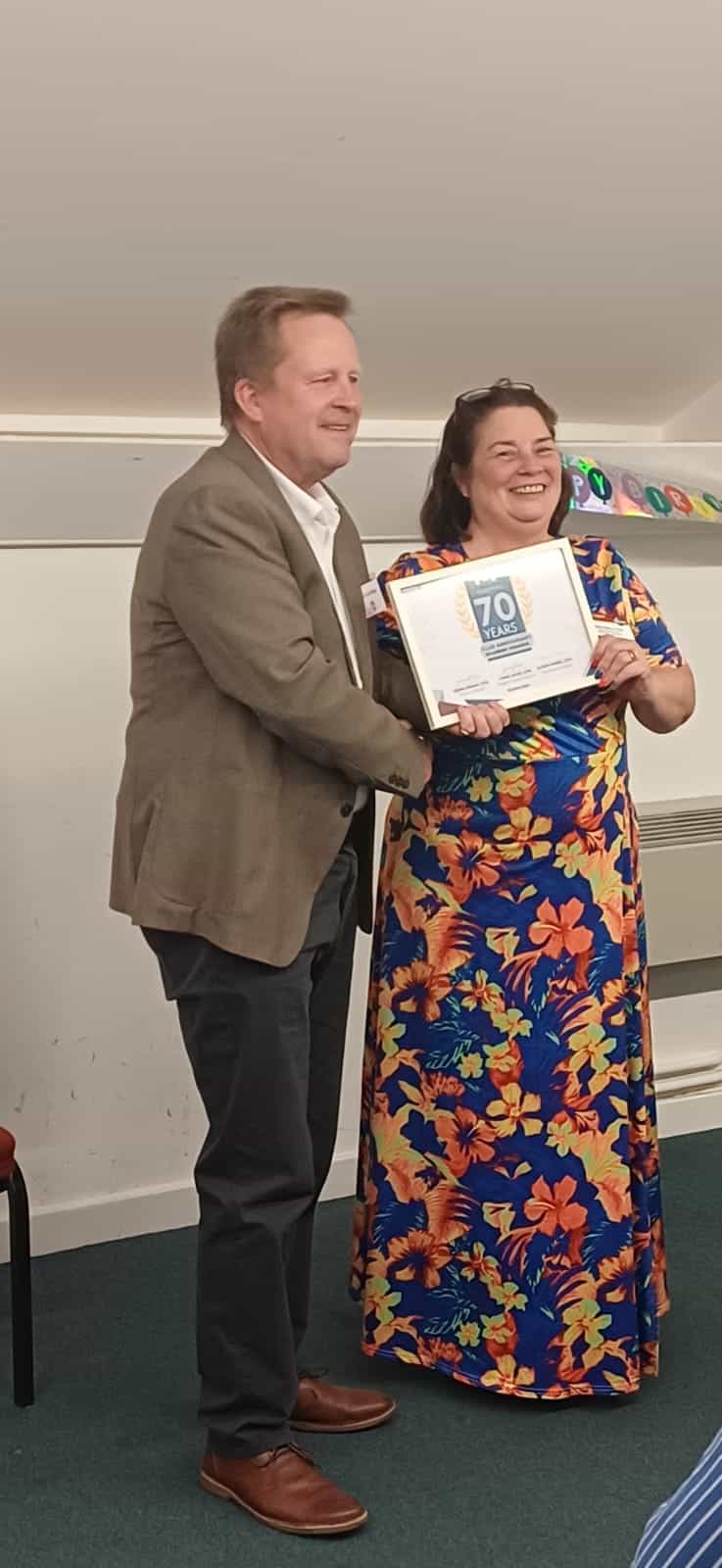
Monday, 7 September 2026 was a very special evening for Aylesbury Speakers Club as members gathered to celebrate an incredible 70 years of Toastmasters.

Established in 1956, Aylesbury Speakers Club holds a special place in the history of Toastmasters in England. It is the longest-running Toastmasters International club in England, an achievement that reflects the commitment of the many members who have kept the club meeting, learning and growing across seven decades.

Over the years, the club has welcomed people from different backgrounds and at different stages of their lives, all with their own reasons for joining. Some may have wanted to become more confident speaking in front of an audience. Others may have wanted to develop their leadership skills, improve their communication at work, or simply challenge themselves to try something new.

Whatever brought them through the doors, they became part of a club with a long tradition of learning from one another.

Celebrating 70 Years

The 70th birthday celebration was an opportunity to pause and recognise just how much has changed since the club first began.

The world of communication has changed dramatically since 1956. Technology, workplaces and the way we communicate have all evolved, but one thing has remained remarkably consistent: people still need to communicate clearly, confidently and effectively.

That is where Toastmasters continues to make a difference.

For 70 years, Aylesbury Speakers Club has provided a place where members can practise, make mistakes, receive feedback, try again and gradually become more confident speakers and leaders.

The evening also welcomed District 91 Club Growth Director Alison Morris, DTM, who joined the club to celebrate this important milestone with members.

A legacy built by members

Reaching 70 years is not simply about the age of the club. It is about the people who have kept it going.

Every President, committee member, speaker, evaluator, mentor and volunteer has played a part. Every meeting that took place, every speech that was delivered and every member who was encouraged to take their next step has helped carry the club forward.

The club’s longevity is also a reminder that Toastmasters is ultimately about people.

Programmes and technology may change. Meeting formats may evolve. New generations of members will bring new ideas and expectations. But the basic principle remains the same: we learn by doing, we improve through feedback, and we help one another along the way.

Aylesbury Speakers Club has been doing exactly that for seven decades.

Looking back — and looking ahead

A 70th birthday is naturally a time to look back, but it is also an opportunity to look ahead.

What will Aylesbury Speakers Club look like when it reaches 80? What stories will today’s members tell about their time in the club? Which new members will discover Toastmasters and find that joining the club changes the way they communicate, lead and connect with others?

Those questions are for the future.

For now, the club deserves to celebrate an extraordinary milestone.

Congratulations to Aylesbury Speakers Club and to every member, past and present, who has helped make 70 years possible.

Seven decades is a remarkable achievement — and we hope there are many more speeches, meetings, friendships, achievements and celebrations still to come.

Happy 70th birthday, Aylesbury Speakers Club! Here’s to the next 70 years.

Three Words, One Big Leap

My Dear Toastmasters,

Where did September go? Q1 is almost over and when I look back, I’m amazed at how much our District leaders have achieved over the summer – planning, training, meeting, listening, visiting clubs and preparing for what lies ahead. And I’m extremely proud to be part of this team.

We’ve held our first District Executive Committee meeting and our first District Council meeting, both finishing on a positive note, with some learning along the way to help us keep improving. Our District Success Plan and budget have been approved, giving us a clear foundation for the year ahead.

Before District Council Meeting

After District Council Meeting

Now comes the exciting part: putting those plans into action.

Helping Our Clubs Succeed

September is an important month for our clubs too.

If your club hasn’t yet submitted your Club Success Plan, please make it a priority before 30 September and if it interests you, you can view it on the dashboard

It is one of the criteria for ensuring that your club achieves Distinguished Club status. More importantly, it helps your club agree where you want to go and how you’ll get there.

And don’t forget to renew your membership and encouraging your friends, colleagues and family to join your club by 30 September, so that your club achieves Smedley Award recognition. Every renewal counts. Behind every membership payment is you, choosing to continue your journey as a better leader and communicator as well as helping your club thrive.

Clarity Creates Action

Last Sunday, we brought our Division Directors together for a leadership session.

Yogi, our past Division Director, shared a fantastic session on Clarity and Transparent Communication on how we give clear direction, so people know exactly what is expected, what they need to do and why it matters.

It made us stop and think. We came away motivated to change the way we communicate with our Division Directors, making our messages clearer and hopefully, easier to act on. It’s about making sure people know what matters- keeping the main thing, the main thing.

District Leadership Sequence Change 2027-2028 onwards

Starting with the 2027-2028 election cycle, the District leadership sequence is undergoing a change from:

District Director → Program Quality Director → Club Growth Director

to:

District Director → Club Growth Director → Program Quality Director

The sequence is changing, however, the roles stay the same.

The District Director will remain the highest-ranking officer, followed by the Club Growth Director and then the Program Quality Director.

Under the new sequence, candidates for District Director will normally need to have completed a full term as Club Growth Director. For one transition year 2027-2028, there are exceptions in place giving current leaders a pathway to continue their leadership journey with grace.

Taking the Leap

I’ve also been enjoying visiting clubs and seeing our members in action.

It was inspiring to see John(Immediate Past President) at Toastmasters at the BBC and hear his message about keeping focused on the goal despite the multiple challenges organisations face in turbulent times. Look out for his message on why you should set up a Toastmasters club at your workplace. His message whether he will charter a club knowing what he knows now is “ I absolutely will”

At MLP London Bridge Speakers, while meeting Nick(Area Director), I took part in their Table Topics contest & won it too , where the question was: What three words describe your summer?

My answer was in three phrases rather than three words!

Moving into the stretch zone.

Overcoming limiting beliefs.

Unconditional faith.

And using this success in other situations. The last one came from something rather personal.

While in Whistler, Vancouver, I finally did something I had wanted to do for years, yet had never quite gathered the courage to do: Bungee Jumping.

This time, I did it. Standing on that platform reminded me that overcoming one limiting belief can give you the confidence to tackle another.

Sometimes, we just need to take the leap.

And Now… Let’s Go!

Let’s support each other.

Let’s support our clubs.

And let’s work together towards becoming a Smedley Distinguished District.

Because behind every goal is a member.

Supportive. Simplify. Sustainable.


Warm regards,

Seema Menon, DTM
District Director, District 91, 2026–27

Club Growth: Milestones, Renewals and Opportunities

This month has been very busy, with my team trying to get as many members to renew as possible and encouraging pre-charter Clubs to complete before the end of this month (to capitalise on the number of incentives being offered by both the District and Toastmasters International). 

We had 16 Clubs  renew 100% of their Base membership number by the 15th September,

Congratulations

A 17 Verizon EMEA Online Toastmasters Club
B 8 Excalibur Online Global Speakers
B 9 Ciso Speakers Toastmasters
B 52 Paddington Toastmasters
C 5 JP Morgan EMEA Solutions
C 25 Arthur J. Gallagher London Toastmasters
C 34 Amazon UKIR Toastmasters
D 20 Richmond and Wandsworth Communicator’s Club
H 37 Toasted Sandwich Toastmasters Club
J 4 Hemel Speakers Club
J 7 Bicester Achievers Toastmasters Club
J 7 Pen Test Parables
J 22 Infineum Milton Hill Speakers
L 47 Wharf Speakers
L 47 Master Speakers
L 56 Woodford Green Speakers

The Incentive for new Clubs to Charter before the end of the month is still ongoing as so is the Superstar Trophy for clubs achieving 8 new or reinstated members by the end of the month.

Please can you encourage all members to renew asap and if you haven’t seen a member for a while, contact them, see how they are, see if they  could do with any help and hopefully you can encourage them to stay.

Why not have a bring a friend night or an Open House event. If you need an Open house pack then please do not hesitate to contact me. Or if you have a lead for a new Club please let me know.

See attached a poster that Clubs can use for their Clubs, it is suitable for both Corporate and Community. 

Unlock Your Potential  Open House Editable Canva Flyer 

We are here to help Clubs increase their membership and to get new Clubs chartered, this is for the benefit of not only members but the Clubs, Areas, Divisions and District. We are all in it together, so let us spread the word.

Training, Pathways and Contests: A Strong Start to the Year

It has been a busy period for all our leaders, working hard to support our members.  Over 750 Club Officers went through Club Officer Training, and 131 clubs had four or more Officers trained. Special recognition goes to 35 clubs that had all seven Club Officers trained (see below).  

Your leaders have also been busy doing Club Success Plans and, as of 20th September, 118 of these have been completed and submitted. These are living documents to be viewed and amended throughout the year. This is the club’s strategic plan, setting out how they will achieve Distinguished status this year, working, of course, with every member as they complete their speeches and club meeting roles.

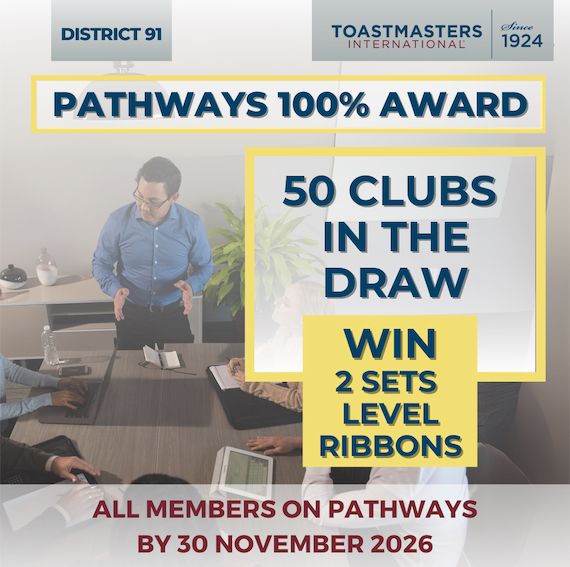
A key to this, of course, is having every member on Pathways. Pathways is important for demonstrating progress as it provides a structured framework, and  tracking skills  developed over time. A few months ago I gave a speech that didn’t quite hit the mark, for me or for my evaluator. So, for my next Level 3 speech, I chose storytelling, and just by following the structure and Pathways guidance, I improved no end.  As a District we are on a mission to get at least 90% of members onto Pathways so they too can benefit from the education programme and see real progress.  To help achieve this, every month our District DCP and Pathways Lead, Nadya Abdi, DTM, will be doing a Pathways section in the newsletter, so please do have a read below.

Another key point is of course completing education awards that go towards the Distinguished Club Programme.  Do read the article below from Anthony Garvey. VPEd for Shilling Speakers.  Shilling achieved Smedley Distinguished last year with 10 DCP points.  

We had an energetic and engaged second round of District Officer Training for Division and Area Directors at the beginning of September, creating a balance between Leadership, Team-work and information relevant to their roles.  A key topic was Contests and I know many of you are already involved in either competing, judging, being a functionary or observing as an audience member.   Your Area and Division Directors are busy organising their Contests too.  I love contest time and I am delighted to confirm that the District Executive Committee (DEC) signed it off and ….. 

Save the Date

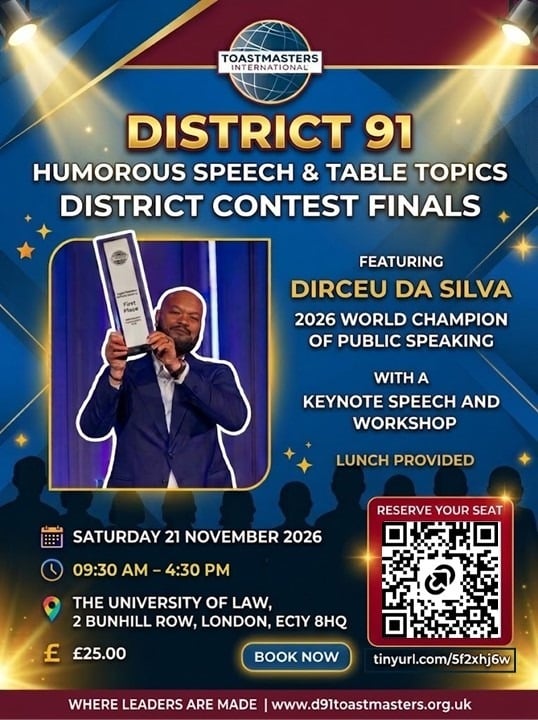
The District Humorous Speech and Table Topics Contest will be on Saturday 21st November in London.  

And  

The District Conference holding the International Speech and Evaluation Contest will be on Saturday 8th and Sunday 9th May.   You asked and we listened so this year we are avoiding the Bank Holiday weekend.  Please also save this date in your diaries.  

We will need volunteers to help run both these events and we still need a District Conference Director……is this YOU?

Pathways: Your Progress. Your Achievement. Our Support.

By Nadya Abdi, DTM, District 91 Pathways Education Lead

Every Toastmasters journey begins with joining a club and taking the stage for that first speech or stepping into a meeting role. Through these experiences, we build our communication and leadership skills within the Toastmasters education programme.

This year, our District 91 Pathways focus is about strengthening understanding, widening access and celebrating progress. Working with Division Directors, Area Directors and club leaders, we will provide practical support and resources that strengthen club success and member development. Together, we want more members to access the Pathways Education Programme, progress through their chosen path and have each achievement recognised and celebrated.

Across District 91, progress is already happening. Of our 4,348 unique members, 3,551 are enrolled in Pathways. Since 1 July, members from 104 clubs have recorded 222 education awards, including four new Distinguished Toastmasters (DTM) awards.

During the year, we will offer Pathways Bitesize sessions and Pathways Check ins for members, club officers and District leaders. These sessions will provide clear, practical guidance on Pathways and member progress.

We will also offer Individual Club Data Review sessions for Vice Presidents Education (VPEs) and club officers. These sessions will support clubs review and reconcile education records, check member progress and understand how club systems and Toastmasters International systems connect.

Each month, we will share a Pathways achievement summary, recognise member and club achievements, and feature personal stories through Pathways in My Words.

Whether we are just beginning, returning to our learning or working towards our next milestone, there is a place for us on this journey.

Our progress matters. Our achievements deserve to be celebrated. Together, we will have a year ahead of opportunities to enjoy our learning, celebrate every milestone and grow together.

In the spirit of Ralph C. Smedley, “We learn in moments of enjoyment.”


“The Individual Club Data Review session gave us a clearer view of our members’ Pathways progress. We discovered that several members were closer to completing their path levels than we had realised. Accurate, up-to-date records now support better planning and more effective member support”

Tung Tse,  Vice President Education (VPE), Kings Cross Speakers


“The 1-to-1 Individual Club Data Review session gave us a comprehensive view of our membership, Pathways and Easy-Speak records. By comparing information across Club Central, Base Camp and Easy-Speak, we identified gaps in members’ education records and areas requiring follow-up. I now have a clear picture of where our members are in their Pathways journey and a focused plan for supporting their progress in the months ahead.”


Colleen Frank, Vice President Education (VPE), Barking Toastmasters Club


Congratulations Time  (July & August) 

Some members have been busy already and I want to congratulate the following:

DTM Completion 

Celia Edwards

David Howarth

Lucinda Brooks

Valerija Slavina

Triple Crown:

Celia Edwards

Marc Lottig

Stella Meadows

5 DCP Goals

1st London Toastmasters 

City of London Toastmasters 

Congratulations to the following clubs who had all Seven Club Officers Trained  

Div Area Club Name
J 4 Aylesbury Speakers
J 4 Berkhamsted Speakers Club
D 14 Bouncing Onward DTM Toastmasters Club
J 10 Cardiff Toastmasters
J 4 Chiltern Speakers Club
C 25 City of London Toastmasters Club
B 8 Excalibur Online Global Speakers
B 9 Excalibur Speakers
B 8 Experience French
C 34 FTI Consulting UK
A 42 Hallmark Speakers
A 1 Hamwic Speakers
D 61 Harrovian Speakers Toastmasters
J 4 Hemel Speakers Club
D 61 HOD Speakers Club
B 52 Holborn Speakers
H 37 Kent Speakers Club
B 18 Kings Speakers
H 35 Lewisham Speakers Club
H 15 Liberty Speakers Club
B 6 London Olympians Speakers Toastmasters Club
L 23 London Toastmasters
B 18 London Victorians
L 23 MLP London Bridge Speakers
L 56 Northern Lights Speakers Club
L 16 PMI UK Toastmasters Club
H 15 Purley Speakers
A 42 Salisbury Online Speakers
B 9 Society Speakers
C 34 St Pauls Speakers
J 4 Thame Speakers
D 20 West London Speakers Club
L 56 Winchmore Hill Speakers
L 56 Woodford Green Speakers
J 11 Worcester Speakers

A special mention to Division J, Area 04 where all five clubs had all seven Officers trained.  Well done Guys.  

Does your club want more DCP Points?  Anthony Garvey, VPEd, Shilling Speakers 

If you are on the Committee, especially if you are  Vice President of Education (VPEd), at your club and you’d like to get more  DCP points, here are some tips for you.  Check where every club member is on their Toastmasters journey. Once you have  this information to hand, ask yourself what each could reasonably achieve over the  Toastmaster year.  If, like Shilling Speakers, you have members from many different countries, you’ll  need to combine the information you learn from the UK-based Easyspeak (or its  equivalent) with the data you access on Basecamp Manager.  Once you have identified members who are most likely to achieve DCP points, you  can set a goal for your club for the year.  Speak with the members you have earmarked to achieve DCP points to make sure  they are comfortable with the goals you have set.  Identify those closest to achieving a goal and schedule them in early in the  Toastmasters year to deliver a speech or carry out a role. At Shilling Speakers, we  often fill roles six to eight weeks in advance of a meeting.  Don’t just think in terms of earning DCP points. Keep everyone in the club moving  forward. Don’t just think about speaking slots either – your members have roles to  complete too. 

Achieving goals 7 and 8 (attracting eight new members) is important. We believe in  getting new members involved straight away, doing a role or delivering an  Icebreaker. Having a fresh intake of new members generates a steady stream of  Level 1s. If you inherited a well-run club from the previous VPEd, like I did at Shilling  Speakers, you will have a crop of last year’s Level1s, many of whom are prime  candidates to complete a Level 2.  It also helps if you have a speaking dynamo in your club (we have a few), who can deliver ten or twelve speeches and roles in a year and perhaps earn a triple crown  award.  Although achieving your DCP points goal is important, don’t forget to open up the  speaking slots and roles to all members. Your main task as  a Committee member and VPEd is to make the meetings as interesting, entertaining and educational as possible, so you retain and  involve your members and attract a healthy stream of new guests. Good luck!